
If you own an American home built between the mid-1950s and the late 1980s, chances are high that you have stared at heavy acoustic texturing overhead and wondered about the effort involved in smoothing it out.
Originally favored for muffling sound and disguising framing flaws, these stippled surfaces are now widely viewed as outdated visual clutter that dims interior lighting.
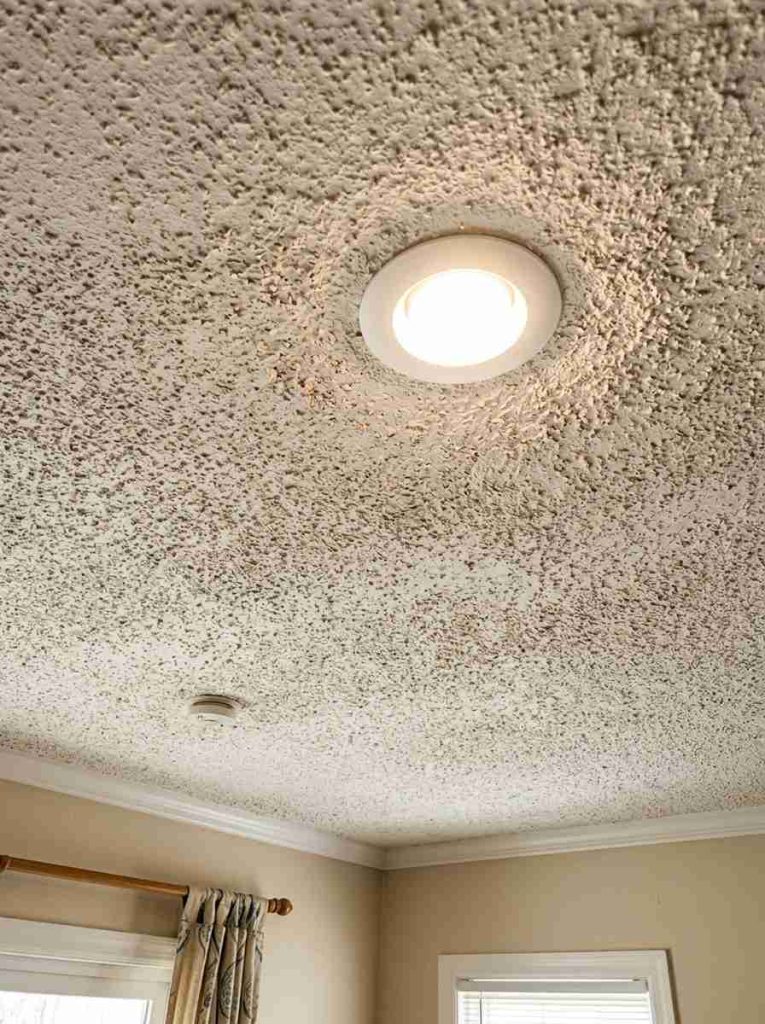
Updating to a clean, flat aesthetic is straightforward when you understand the scope and expenses involved. This guide provides a clear breakdown of popcorn ceiling removal expenses, helping you utilize an online estimate calculator effectively whether you live in a suburban home in Phoenix, a traditional residence in Denver, or an urban layout in Chicago.
Popcorn Ceiling Removal Cost Calculator
Configure room specs, select custom site conditions, or input custom pricing overrides for a personalized budget estimate.
Project Timeline & Metrics
Key Planning Recommendations
How to Use a Popcorn Ceiling Removal Cost Calculator
Digital cost estimation tools provide a reliable starting figure, provided you enter accurate project parameters.
Calculate Exact Surface Area
Measure the total overhead square footage across all targeted rooms by multiplying room length by width. A standard 12×15 foot room translates to 180 square feet. A typical single-story residence across American suburbs generally totals between 1,200 and 1,800 square feet of ceiling space.
Select Your Post-Removal Finish
The refining steps following initial scraping represent the largest variance in total price:
- Basic Scrape ($1–$2/sq ft): Removes the acoustic bumps, followed by spot patching and priming. Painting is left to the homeowner. This is the most economical approach, though minor base drywall irregularities remain visible.
- Scrape with Skim Coating ($2–$4/sq ft): The standard choice for achieving a pristine, flat surface. Tradespeople apply multiple layers of joint compound interspersed with thorough sanding, which increases labor requirements.
- Scrape with Re-Texturing ($2.50–$5/sq ft): Applies a light knockdown or orange peel finish over the bare drywall. This masks framing flaws effectively while requiring less manual skim coating.
Account for Structural Factors
High-accuracy tools also adjust for ceiling heights, existing paint coats, and house construction dates. In regions like Seattle-Tacoma, older properties often require mandatory pre-1980 material testing before work begins. Furthermore, you can also try shiplap ceiling over popcorn ceiling to save time.
Cost Breakdown: Estimated Project Budgets
The table below outlines expected investments for a standard 1,500-square-foot residential layout based on national contractor rates.
| Refinishing Method | Price Range / Sq Ft | Estimated Total (1,500 Sq Ft) | Recommended Scenario |
| Basic Scrape Only | $1 – $2 | $1,500 – $3,000 | Hands-on homeowners managing their own finishing |
| Scrape + Smooth Skim Coat | $2 – $4 | $3,000 – $6,000 | Clean, level interior surfaces |
| Scrape + Subtle Texture | $2.50 – $5 | $3,750 – $7,500 | Masking minor drywall imperfections efficiently |
| Licensed Asbestos Abatement | $3 – $13+ | $4,500 – $19,500+ | Confirmed hazardous materials in pre-1978 builds |
Primary Price Drivers
1. Asbestos Screening and Professional Mitigation
Houses built prior to federal bans require certified laboratory testing. Standard sample analysis runs approximately $50 to $100, while a comprehensive site evaluation costs $100 to $400. If asbestos is detected, specialized contractors must establish sealed containment zones, negative pressure units, and HEPA filtering, raising remediation costs by $3 to $13+ per square foot.
2. Painted Surface Obstacles
When acoustic texture has been painted over, moisture cannot easily penetrate to dissolve the underlying binder. Scraping painted material demands additional scraping tools or chemical strippers, which can increase overall labor rates by 30% to 50%.
3. Ceiling Elevation and Access
Elevated, vaulted, or multi-level ceiling structures require specialized staging gear like rolling scaffolding. In multi-story properties throughout New York and Los Angeles, staging time often adds a premium to base contractor quotes.
4. Site Cleanup and Debris Removal
Managing dust containment and waste disposal incurs separate operational costs:
- Weekly Dumpster Rental: Typically averages $291 to $538 per week, depending on local municipal waste fees.
- Hauling Services: Professional junk removal services generally charge $148 to $386 for dedicated collection runs.
Regional Price Comparison Across U.S. Markets
Contractor rates adjust based on local housing density and regional labor trends:
- Seattle-Tacoma, WA: High demand and strict disposal protocols push average pricing to $3–$6 per square foot ($1,887–$4,940 total average).
- Minneapolis, MN: Lower overhead costs keep regional projects between $0.65 and $4.50 per square foot.
- Phoenix, AZ: Standard jobs average $1,250 to $2,470, supported by low humidity conditions that accelerate joint compound drying times.
- New York, NY: Metropolitan condo projects range from $900 to $2,945, where building logistics and strict work hours affect overall labor schedules.
- Denver, CO: High regional demand results in project averages ranging between $1,320 and $3,705.
Financial Note: Updating acoustic ceilings can yield a return on investment of up to 80% upon home resale. However, when licensed abatement is required for older materials, overall remediation expenses may exceed immediate equity gains, prompting some homeowners to opt for drywall encapsulation instead.
DIY Execution vs. Professional Contracting
Self-Managed Projects (Hazard-Free):
Handling a room under 500 square feet independently requires $150 to $400 in specialized scrapers, garden sprayers, floor protection sheeting, joint compound, and surface primer. While cost-effective, manual skim coating and dust management require considerable physical effort and technique.
Professional Installation (Hazard-Free):
Full-home contracting for a 1,600-square-foot interior ranges from $1,600 to $3,600. Licensed teams handle containment setup, high-reach scraping, trowel finishing, and complete waste removal.
Where to Purchase Supplies
DIYers can source necessary materials, safety gear, and rental equipment at major national hardware centers across the country:
- The Home Depot: Carries heavy-duty scrapers, joint compounds, plastic drop cloths, dust masks, and offers tool rental options.
- Lowe’s: Stocks specialized drywall knives, topping compounds, sanders, and surface primers designed for ceiling prep.
- Local Supply Centers: Offer specialized drywall tools and regional advice for specific wallboard types.
Frequently Asked Questions
How long does popcorn ceiling removal take?
A standard residential project takes between one and three business days. Timelines extend if extensive drywall patching, multiple skim coats, or certified hazardous material abatement is required.
Does removing popcorn ceiling increase home value?
Removing acoustic texture can yield an ROI of up to 80% by modernizing interior spaces for buyers. However, if expensive certified abatement is required on an older build, costs may offset immediate market value increases.
What if my ceiling is painted?
Painted textures resist water absorption, preventing standard softening techniques from working effectively. Contractors must use chemical strippers or manual mechanical scraping, which can increase total labor costs by 30% to 50%.
Conclusion
Using a cost estimation tool provides a clear financial roadmap before starting your interior renovation. To ensure budget accuracy, verify whether your home requires material testing, assess ceiling elevations, and select the final finish coat that best matches your aesthetic preferences and budget. Combining calculator estimates with detailed quotes from local trade professionals in cities like Phoenix, Seattle, or Denver allows you to plan your project efficiently and update your home with confidence.