Home decor ideas that actually work

Practical decorating and DIY guides for real homes — rentals, starter houses, small apartments — from someone who’s done the work, room by room.

I started HomefixTrends because I was tired of fake inspiration. Every photo showed a room that cost more than my car.

Home trends I'm actually watching right now

Warm minimalism

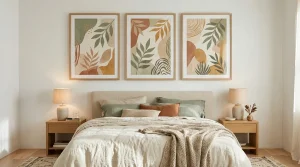
Swap cold white for warm beige, sage, or terracotta. Keep furniture simple but let a few pieces mean something — a textured rug, one real piece of art. It reads as calm rather than empty.

Biophilic design

I noticed the difference after adding two plants to my desk and turning it to face the window. If you're starting from zero — snake plant. Nearly impossible to kill and does most of the visual work anyway.

Browse by Categories

Living Room

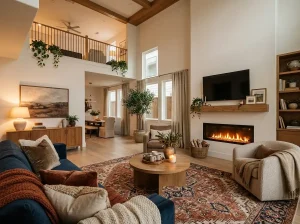
Tthe room that has to do the most jobs in a house. Layout for awkward shapes, choosing an accent wall you won't regret, and styling a fireplace whether or not it actually works.

Bedroom

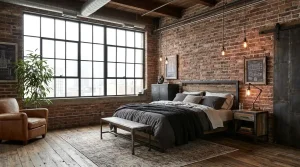
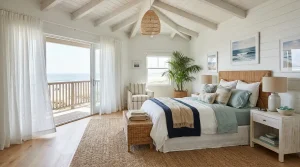
The room most people neglect because guests never see it. Lighting, small-space storage that doesn't need built-ins, and the handful of changesthat transform a room without new furniture.

Bathroom

Usually the smallest room with the least flexibility, so small choices matter more here. Updates that don't require re-tiling or re-plumbing.

Kitchen

The heart of the home, where sizzling flavors meet family stories. Equipped with smart essentials and warm vibes, it’s your daily haven for culinary creativity.

Wall Decor

Beyond paint: gallery wall layouts that don't look like an afterthought, floating shelves, and textured panels.

Ceilings

The most overlooked surface in the house, and often the cheapest to transform. Which ceiling projects are realistic to DIY, and which genuinely need a professional.

Featured guides

Why HomefixTrends exists

9 Metals
22. Two Tone Painted Island Base and Upper Detail
13. Add a Wood Ceiling to a Small Living Room and Dining Area

Ambar’s story

I Actually Put These Guides Together

A few years ago I sat on the floor of my first apartment — a rented, slightly crooked 700-square-foot box with popcorn ceilings and a landlord-beige paint job — and opened a design magazine looking for ideas.

“Every photo showed a room that cost more than my car. A ‘before and after’ that was quietly two different houses. I closed the tab, looked around at my actual apartment, and realized none of that content was made for someone like me.”

I began writing down what actually worked — the $9 can of paint that stopped my living room from looking like a hallway, the mirror that made my bedroom feel twice its size, the thrifted side table I sanded down on a Sunday because I couldn’t afford the one I actually wanted…

Mistakes I've made so you don't have to

Trusting the paint chip

I painted an entire accent wall without testing it on the actual wall. It looked completely different once it dried — the lighting made the color read almost gray instead of the warm terracotta I expected.Always test on a large sample on the actual wall, morning and night, before committing a can.

Buying "space-saving" furniture blind

I bought a storage ottoman that looked great in photos but had a lid that didn't stay open on its own — borderline useless for actually storing anything. Always check hinge and hardware quality, not just dimensions, before buying multifunctional furniture.

Chasing every trend

Most trends are gone in a season. I've bought things that looked incredible on Pinterest and dated immediately in person. Now I only cover trends with genuine staying power. HomefixTrends only features trends Ambar would personally spend money on.

Questions readers ask most

These are the questions I get most often — answered honestly, based on what’s actually worked in real homes.

What’s the best way to start a home improvement project?
 
Identify your goal clearly before spending any money. Prioritize changes with the greatest visual and functional impact first — often paint, lighting, and decluttering.

How do I make a small room look bigger?

Light neutral colors, furniture with legs, a large mirror opposite a window, and keeping floors visible. Vertical storage draws the eye upward and increases perceived ceiling height.

What are the most affordable home improvement ideas?
 
Repainting, swapping light fixtures, replacing cabinet hardware, adding mirrors, floating shelves, updating soft furnishings. Many changes cost under $50 but create visible, lasting improvements.
Can renters improve their homes without permanent changes?
 
Absolutely. Command strips, peel-and-stick wallpaper, freestanding storage, plug-in sconces, rugs. Even lighting can be upgraded without electrical work — and all of it is reversible.