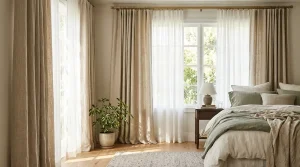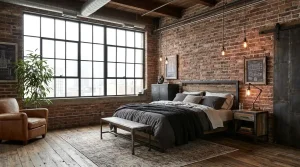
Your bedroom curtain does more than block sunlight. It shapes how the whole room feels.
Curtains have moved well beyond simple privacy and light control. Today they are expressive design tools that frame walls, surround beds, and even stand in for wallpaper. Either you are picking drapes for your bedroom windows or refreshing a tired space, the right curtain can change everything.
This guide covers the practical decisions, the design ideas, and the surprisingly limited research behind why curtains work the way they do.
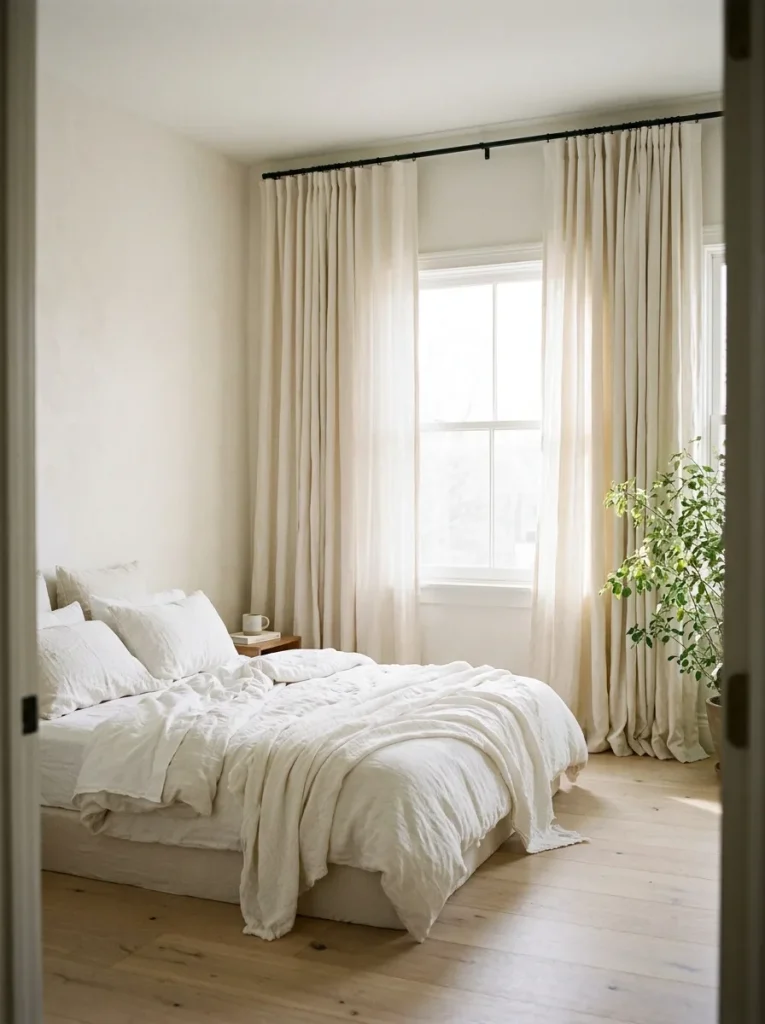
1. The Types of Bedroom Curtains
A good bedroom curtain does three big jobs at once. Privacy, light control, and style. The type of curtain you choose determines how well it does all three.
Blackout Curtains
Blackout curtains are thick and heavy, built to block light almost entirely. They also help insulate a room against heat in summer and cold in winter.
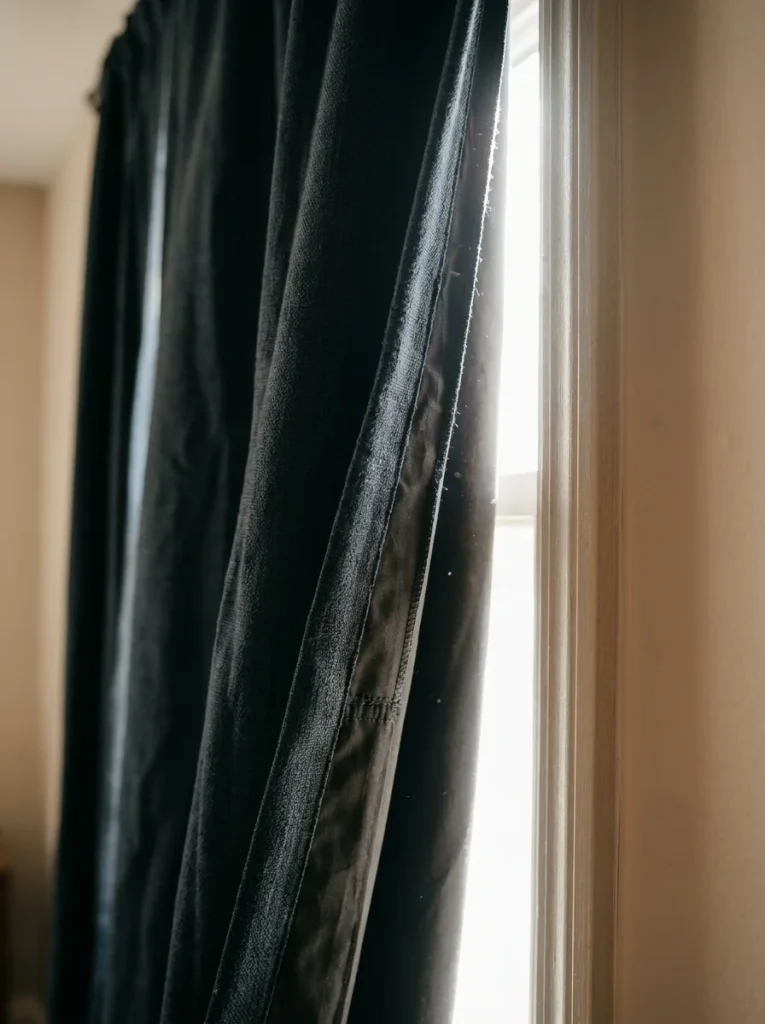
This is not just a marketing claim. A 2020 textile-engineering study built sample curtains with a double-cloqué weave structure and an added wadding layer between the warp and weft yarns. The goal was to test whether multi-layered curtain fabrics could deliver both thermal insulation and visual appeal in warm-climate housing.
In plain terms, the layering that makes a curtain opaque and heavy is the same structural feature that gives it insulating value. It is not just about fabric weight, but how the layers are woven together.
Best for: Light sleepers, night-shift workers, children’s rooms, and east or west-facing windows.
Sheer Curtains
Sheer curtains are light and see-through, letting in natural light while offering some privacy. Many people layer a sheer curtain on the inside with a heavier drape on the outside.
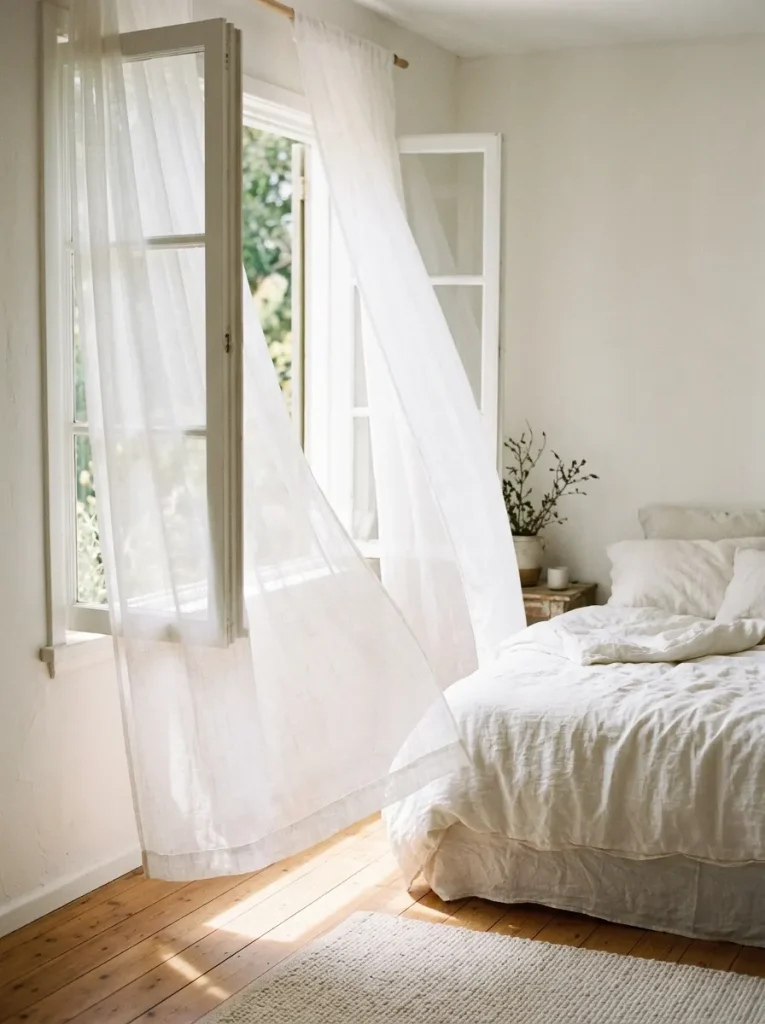
Best for: Rooms where you want soft, filtered light during the day.
Velvet and Heavy Drapes
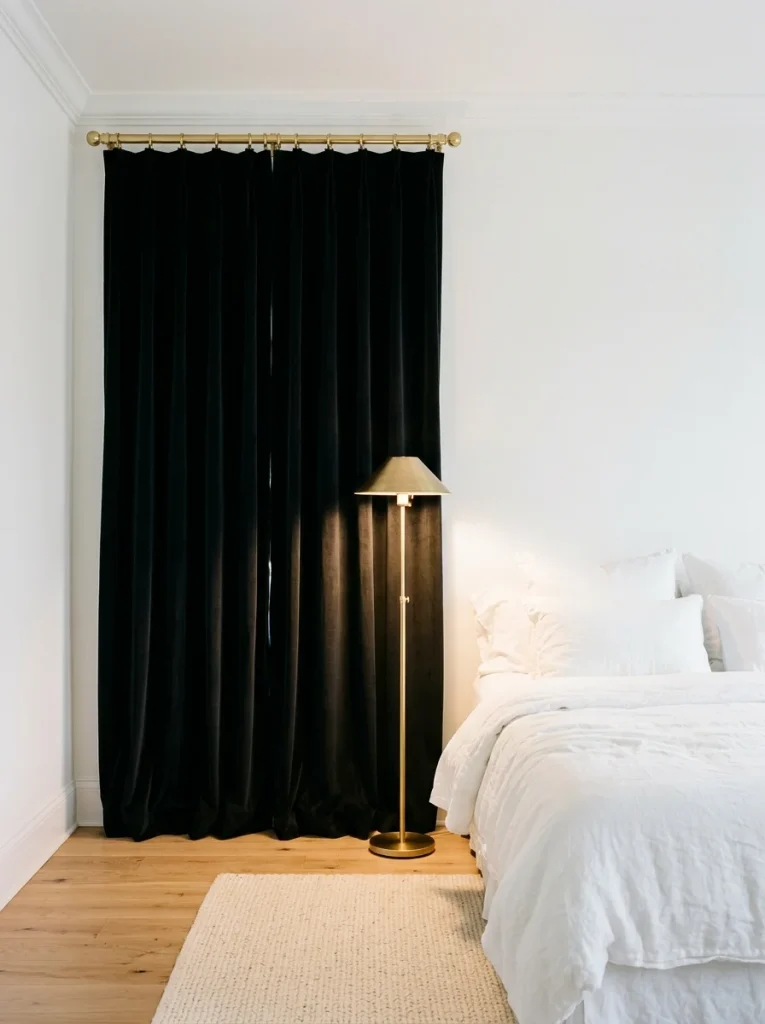
Velvet drapes add a rich, weighty feel to a room and hang in a way that blocks light well.
Fabric construction genuinely changes how a heavy curtain performs, not just how it looks. A separate study on chenille-yarn curtain fabrics tested tensile strength, elongation, air permeability, thickness, and abrasion resistance across different yarn blends of polyester, acrylic, and viscose. The finding was that the yarn mix changed both durability and the fabric’s physical weight and feel.
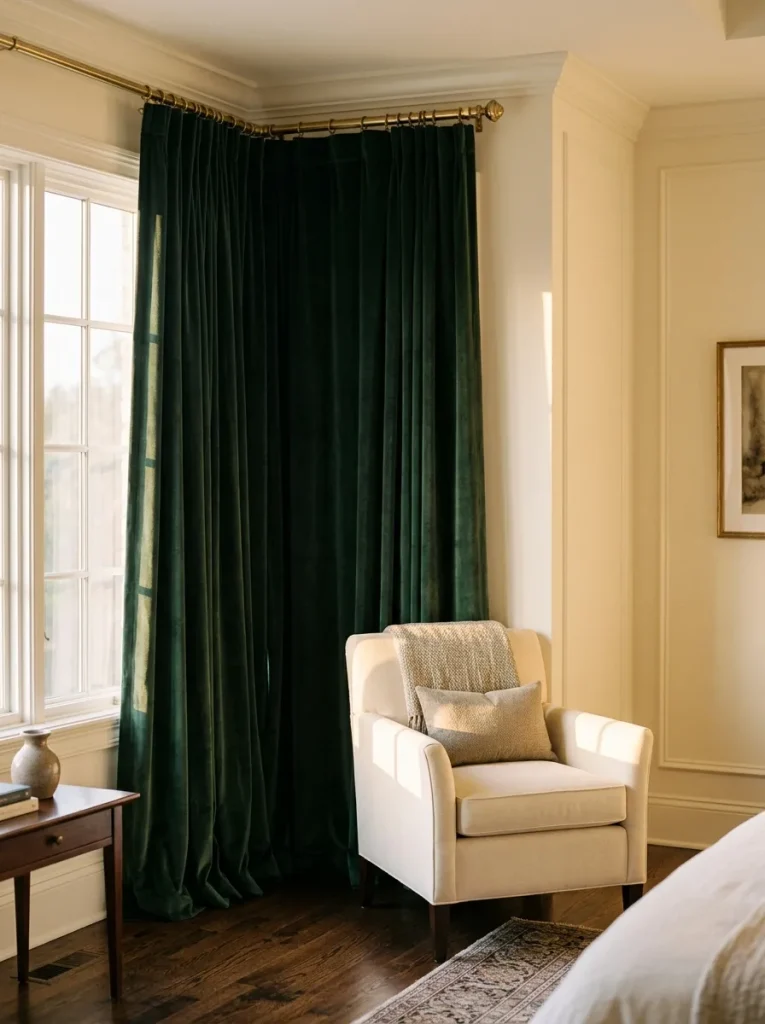
So which velvet to buy is a legitimate materials question, not just an aesthetic one.
Best for: Master bedrooms, formal spaces, or anyone who wants a cozy, dramatic look.
Linen and Cotton Curtains
Linen and cotton are light and breathable, giving a relaxed, natural look.
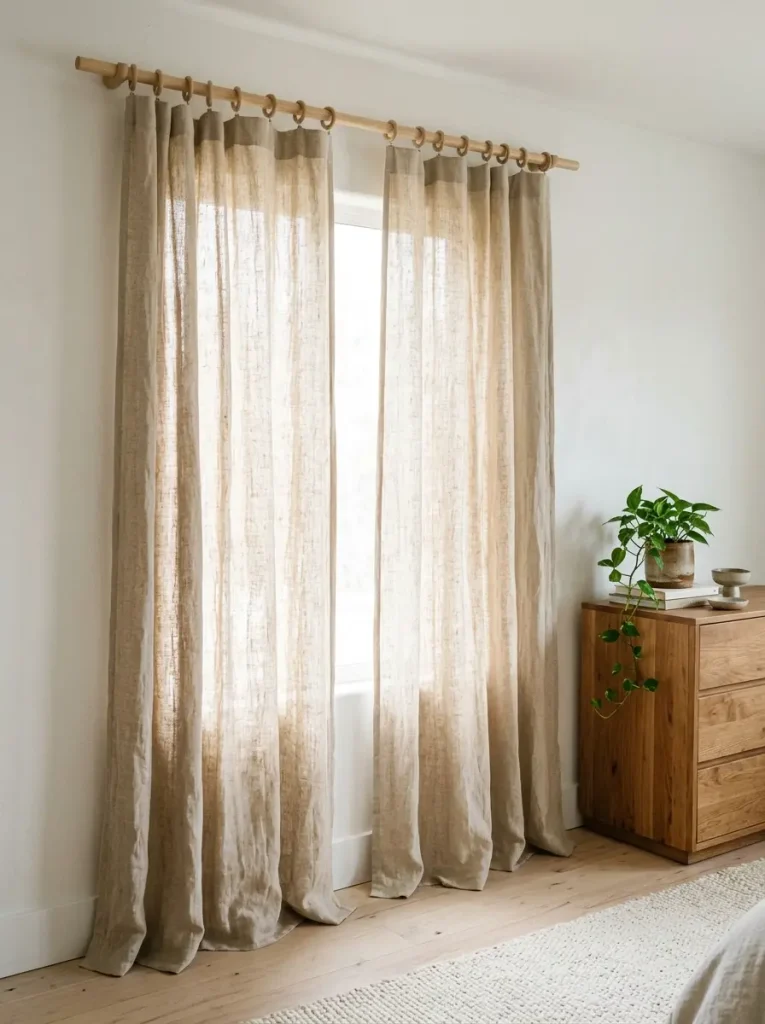
Best for: Minimalist bedrooms, beach-style rooms, or spaces with good natural light.
Canopy Bed Curtains
Canopy bed curtains hang around the bed rather than the window, creating a cozy, enclosed feel.
Best for: Anyone who wants a dramatic, romantic bedroom feel.
Room Divider Curtains
A room divider curtain hangs from the ceiling rather than the window, splitting a room into two sections. It is a smart, affordable way to create zones without building a wall. See wall art ideas for your bedroom aesthetic.
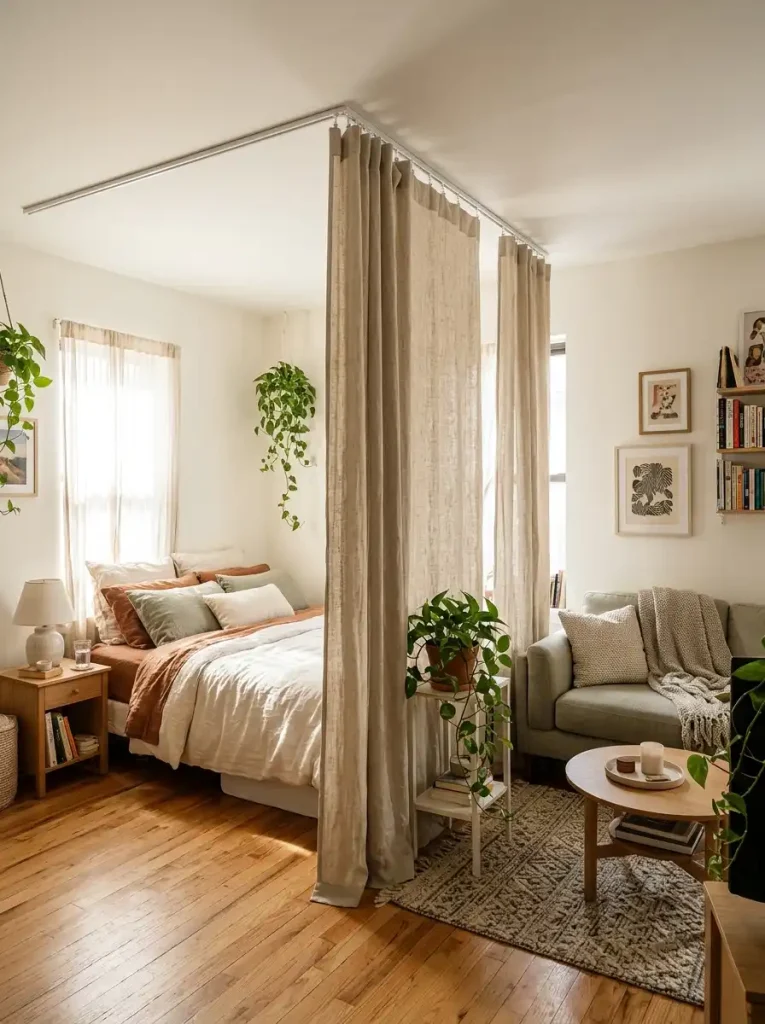
Best for: Studio apartments, open-plan spaces, and shared rooms.
2. Curtain Colors for the Bedroom
Color changes the feeling of a room more than any other single choice. Here is how the most common choices behave.
3. Modern Curtain Designs and Patterns
Floor-to-ceiling drapes hung as high as possible make a room feel taller and more luxurious. Layered curtains, with a sheer layer plus a heavier drape on a double rod, give full control over light and privacy.
Pattern choice matters too. Botanical and nature-inspired prints bring the outdoors in. There is real design research behind why these patterns tend to read well.
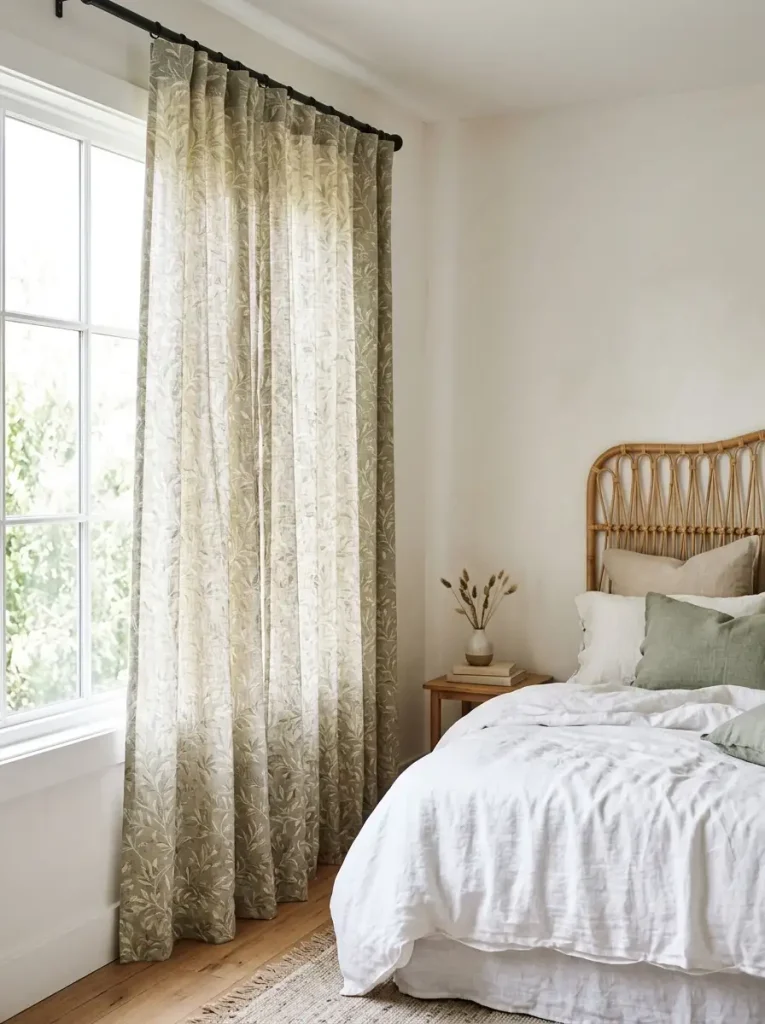
A study that produced embroidered pile-weave curtain fabrics using nature-inspired motifs had a panel of textile-industry specialists and consumers evaluate the samples for both function and aesthetics. The nature-inspired, textured designs scored well on both counts.
Separately, a study of curtain fabrics printed with Andalusian-era decorative motifs found that when specialists and consumers rated the designs, the aesthetic dimension consistently scored highest among the evaluation criteria. That is evidence that historically or culturally inspired prints can perform well specifically on visual appeal, not just novelty.
- Botanical prints bring nature indoors.
- Geometric prints add energy and work well in clean-lined rooms.
- Velvet and woven textures add depth even in a single color.
4. How to Choose the Right Curtain
Function comes first. Everything else follows.
💡 Quick Tip
If you need both darkness and light, layer them. A sheer on the inside and a blackout drape on the outside gives you flexibility by day and total darkness at night.
Step 1: Think About Function First
- Need total darkness? Go blackout.
- Need privacy with light? Go sheer or semi-sheer.
- Want both? Layer them.
Step 2: Pick the Right Fabric
- Velvet: Most luxurious, best light block.
- Linen and cotton: Light, breathable, relaxed.
- Polyester: Budget-friendly, durable, easy to wash.
- Silk: Elegant, best for low-traffic, low-sunlight rooms.
Step 3: Match Color to Your Room
If your walls are bold, go neutral with curtains. If your walls are neutral, use curtains to add color or pattern.
Step 4: Get the Length Right
- Floor-length: The standard for most bedrooms.
- Short curtains: Practical for casual spaces or where furniture blocks a longer drop.
- Puddle curtains: Dramatic, pooling slightly on the floor.
Step 5: Hang Them High
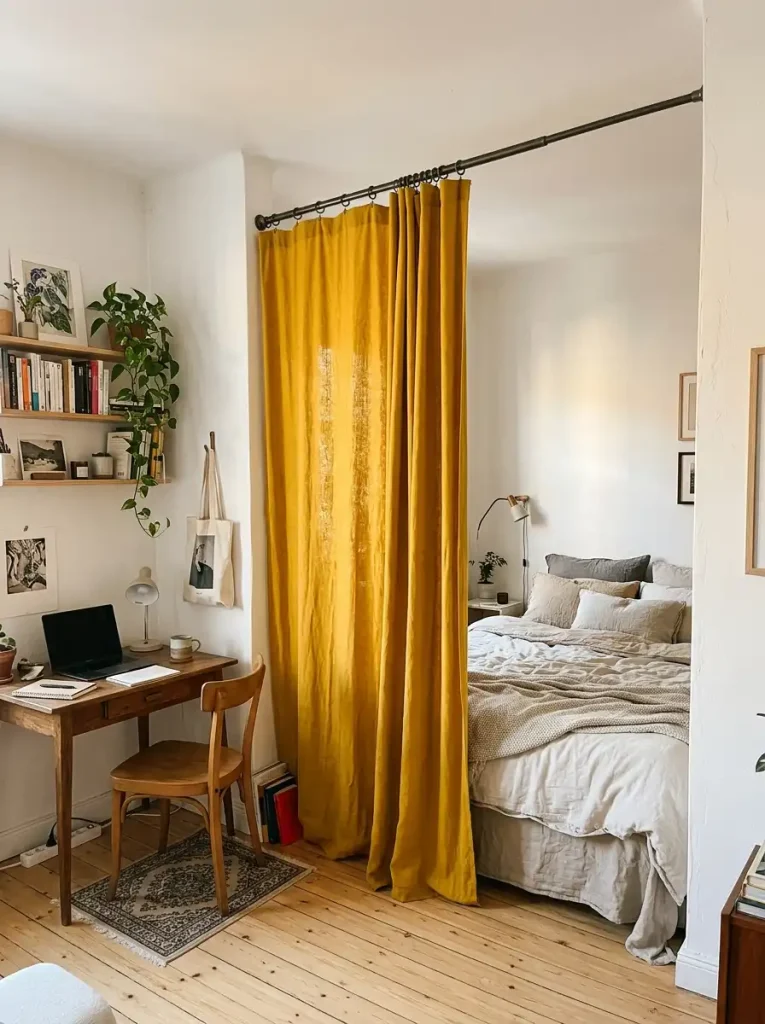
Mount the rod 6 to 8 inches above the window frame, or ceiling-height for maximum drama.
5. Master Bedroom Curtain Ideas
If you want the room to feel like a hotel suite, start here.
- Velvet drapes in deep jewel tones like teal, burgundy, or forest green, paired with neutral bedding.
- Floor-to-ceiling linen in cream or warm white for calm sophistication.
- A layered sheer and blackout combo for filtered light by day and full darkness at night.
- Canopy bed curtains in sheer or velvet for a romantic, enclosed feel.
6. Blinds and Window Coverings
Blinds are not a replacement for curtains. They are a partner.
Roman blinds fold neatly when raised. Roller blinds are sleek and minimal, often paired under longer drapes. Venetian blinds offer precise light control with adjustable slats.
Handles daytime privacy and precise light control.
Adds warmth, texture, and personality to the room.
7. Curtains for Room Separation and Studios
In a studio apartment, a ceiling-track curtain creates a private bedroom zone without losing the openness of the space. A bold color, like mustard, burnt orange, or deep teal, can double as a style statement rather than just a divider. See vintage bedroom ideas to build more cozy environment.
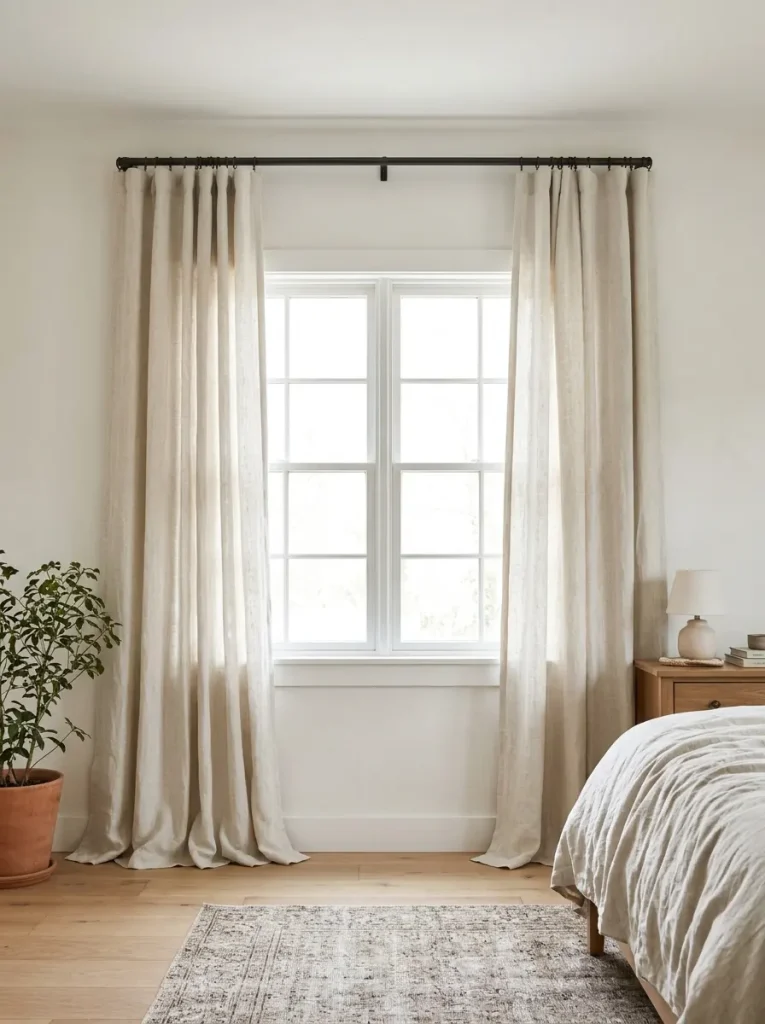
- Ceiling track system: A curtain track along the ceiling for a clean, slideable partition.
- Tension rod method: No-drill, renter-friendly.
- Layered panels: Two or three panels side by side for a wider divider.
8. Curtain Tips for Bedroom Windows
A few practical rules make the difference between curtains that look custom and curtains that look like an afterthought.
- Go wide, not just long. Aim for 2 to 2.5 times the window’s width for a full, lush look.
- Mount inside the frame for a clean, built-in look on small windows.
- Layer sheer and drape for the most flexible light control.
- Add a decorative trim, like ribbon, tassel, or contrast fabric, for a custom look on a budget.
- Account for window direction. East-facing windows get strong morning sun. West-facing windows get afternoon sun and more UV exposure.
- Choose slim, modern hardware. Matte black, brushed brass, or natural wood.
📌 Good To Know
Curtains hung wider than the window frame make the window look larger and let more light in when they are pulled back. It is one of the cheapest visual upgrades in any bedroom.
Frequently Asked Questions
What type of curtain is best for a bedroom?
Blackout curtains are most practical for sleep. Velvet or lined drapes feel luxurious. Sheer linen panels give a light, airy feel. If you need both darkness and light, layer a sheer with a blackout drape.
What length should bedroom curtains be?
Floor-length is the most versatile and stylish. Shorter curtains work in casual spaces or around furniture that blocks a longer drop. Puddle curtains add drama but collect dust.
What color curtains make a bedroom look bigger?
Light colors, like white, cream, or soft beige, hung high and wide. Keeping the curtain color close to the wall color also makes the room feel larger because there is less visual interruption.
The Last Word on Curtains
1. Privacy: Keep the outside world where it belongs.
2. Light Control: Block morning sun for better sleep.
3. Style: Cover a large part of the wall and set the mood.
A bedroom curtain is one of the few design decisions that works on three levels at once. It changes how much light you wake up to. It changes how the room feels when you walk in. And it changes how much of the outside world gets to look back at you.
Most people pick curtains last, after the bed and the paint and the furniture. That is exactly backwards. The curtain covers more wall than almost anything else in the room, and it sits right next to where you sleep.
Start with function. Decide how dark you need the room to be, and how much privacy you actually need. Then pick the fabric that does that job well. Then choose the color and the pattern that make the room feel like yours.
And if you want to go one layer deeper, the textile science backs you up. A curtain is not just cloth. The weave structure, the yarn choice, and the layering all affect how it insulates, how it hangs, and how long it lasts.
Get those things right, and the curtain stops being an afterthought. It becomes the thing that holds the whole room together.