A small apartment can feel just as stylish, cozy, and functional as a big one. It all comes down to smart choices.
The right layout, clever storage, and a few design tricks can make even the tightest space feel open and welcoming.
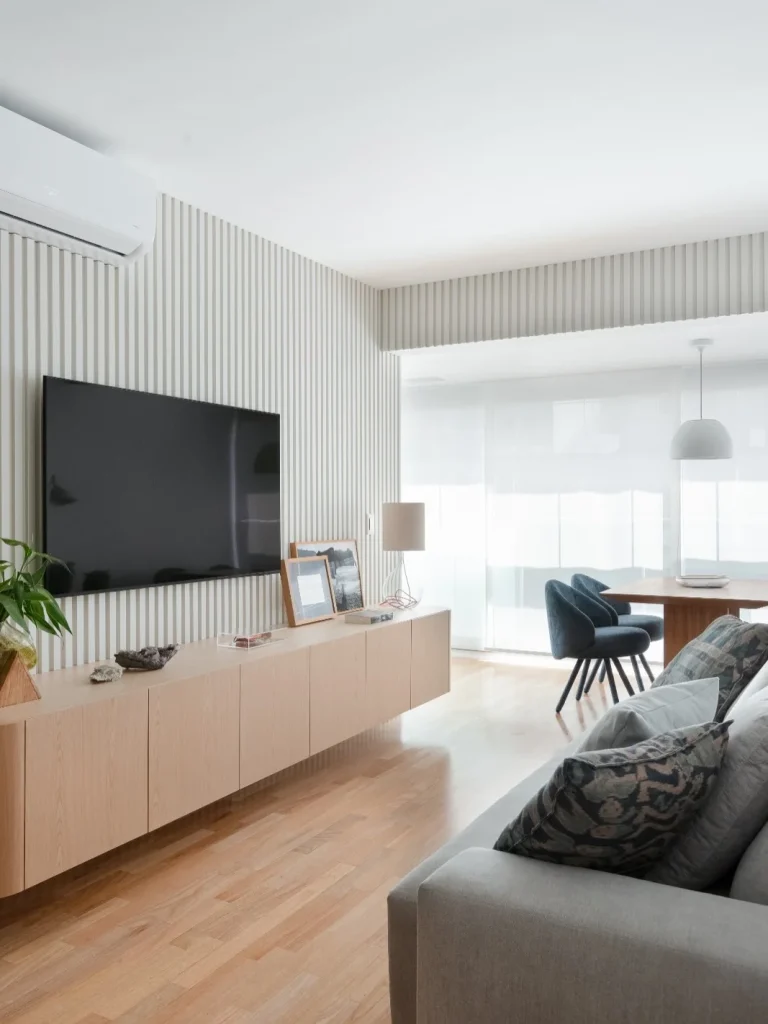
This guide is packed with ideas that actually work in real small apartments.
From maximizing vertical space to choosing furniture that does double duty, you’ll find simple solutions for every room. You don’t need more square footage. You need smarter ways to use what you already have.
Let’s turn your small apartment into a space you genuinely love coming home to. HomeFixTrends is here to inspire and guide every step of the way..
Idea 1: Embrace Light Colors on Walls and Ceilings
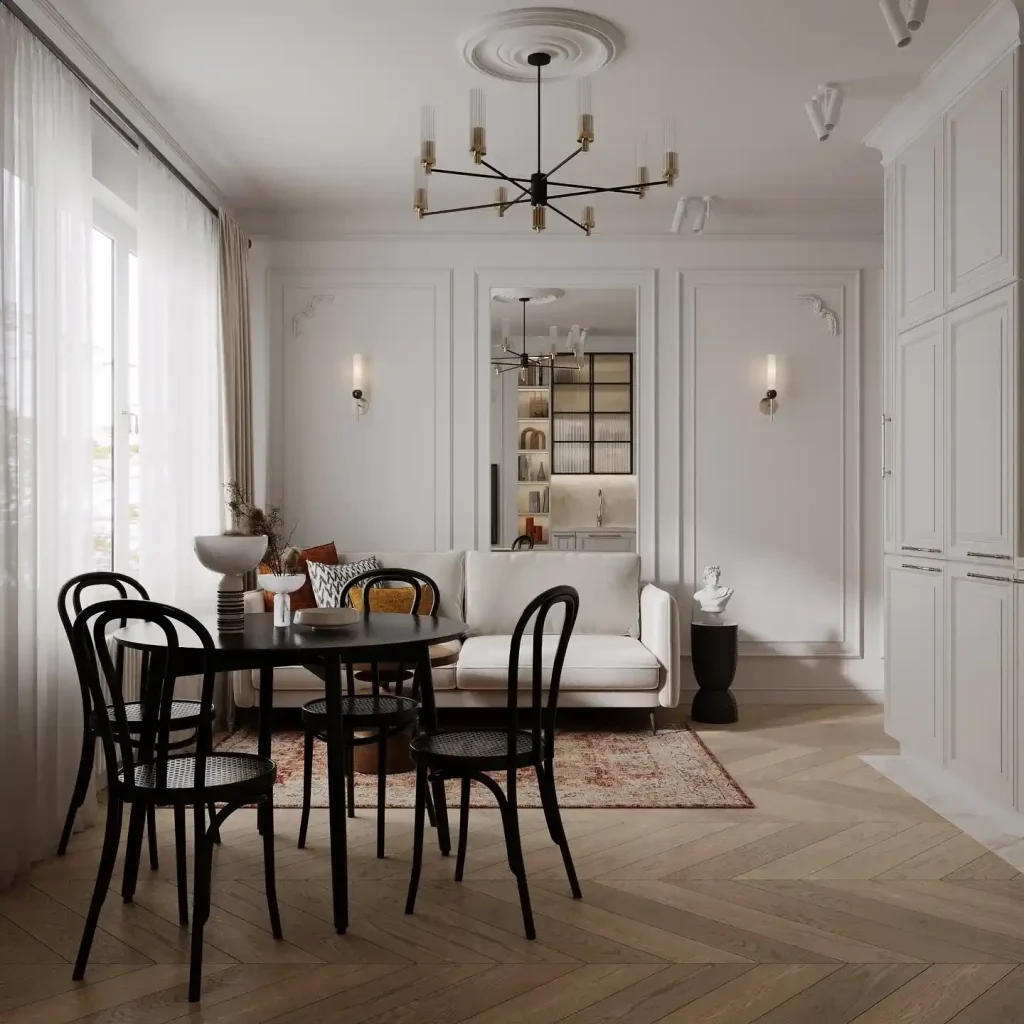
Light colors on walls and ceilings are the single most effective tool for making a small apartment feel significantly larger than it actually is.
Light reflects off pale surfaces and bounces around the room, filling corners with brightness and creating a sense of openness that dark colors completely destroy.
Paint all walls and the ceiling in the same light tone for the most seamless, expansive effect. Warm white, soft cream, pale gray, and very light sage green all work beautifully.
Painting the ceiling the same color as the walls eliminates the visual boundary between the two surfaces and makes the room appear taller. This single paint decision costs very little but delivers one of the biggest visual transformations available to any small apartment.
Idea 2: Use Mirrors Strategically to Double Visual Space
Mirrors are the most powerful optical illusion available in small apartment design. A large mirror reflects the room back at itself, effectively doubling the perceived space.
It bounces natural light deep into dark corners and creates the sense of a window where there is none. A well-placed mirror is transformative in a way that almost no other single item can match.
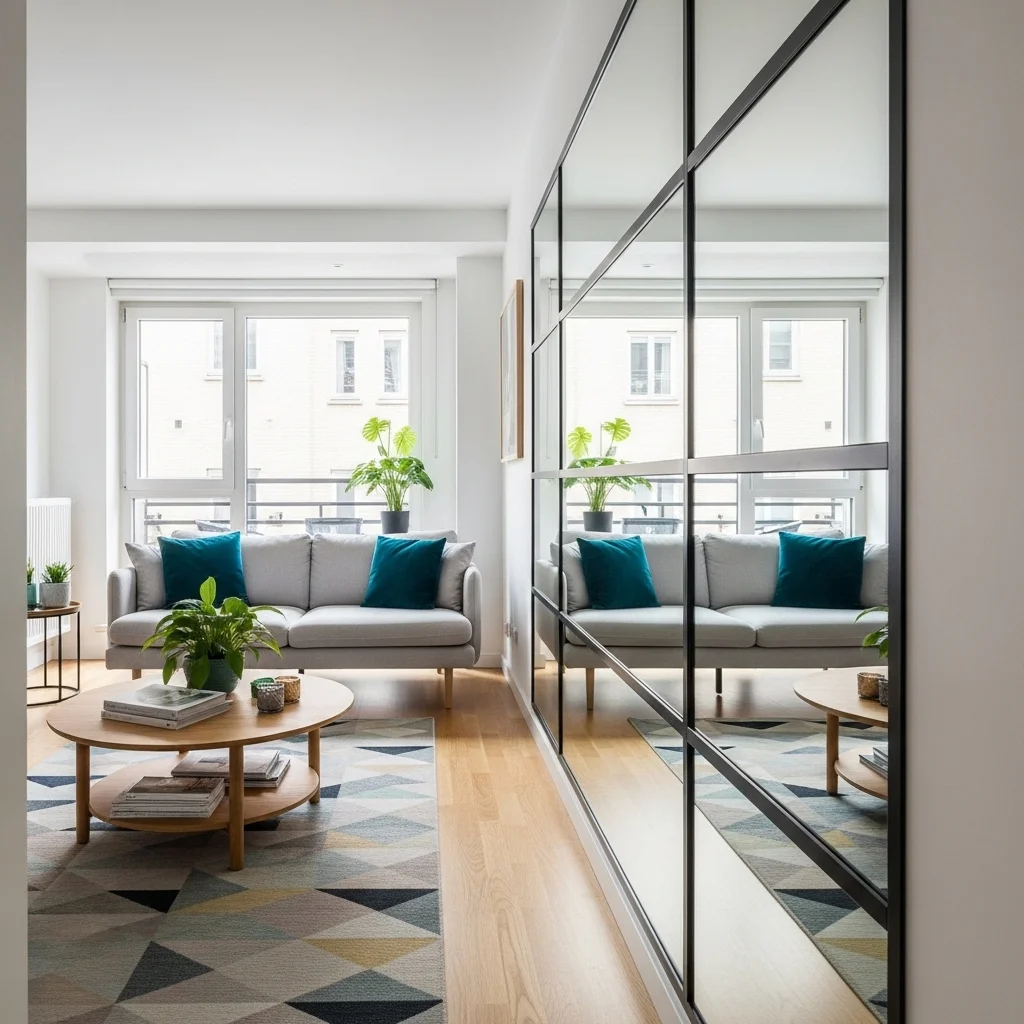
Hang a large floor-to-ceiling mirror on the wall opposite the main window.
This reflects maximum natural light and the view outside, creating a stunning illusion of depth and space.
A full-length leaning mirror in a narrow bedroom or hallway makes the space feel dramatically wider. Mirrored cabinet doors in a small bathroom or bedroom create the same effect while providing concealed storage behind the reflective surface.
Idea 3: Choose Multifunctional Furniture Throughout
In a small apartment, every piece of furniture must justify its floor footprint by doing more than one job. Single-purpose furniture is a luxury that small spaces simply cannot afford. A sofa that also stores blankets. A bed that also holds shoes.
A dining table that also serves as a desk. Multifunctional furniture is the foundation of great small apartment design.
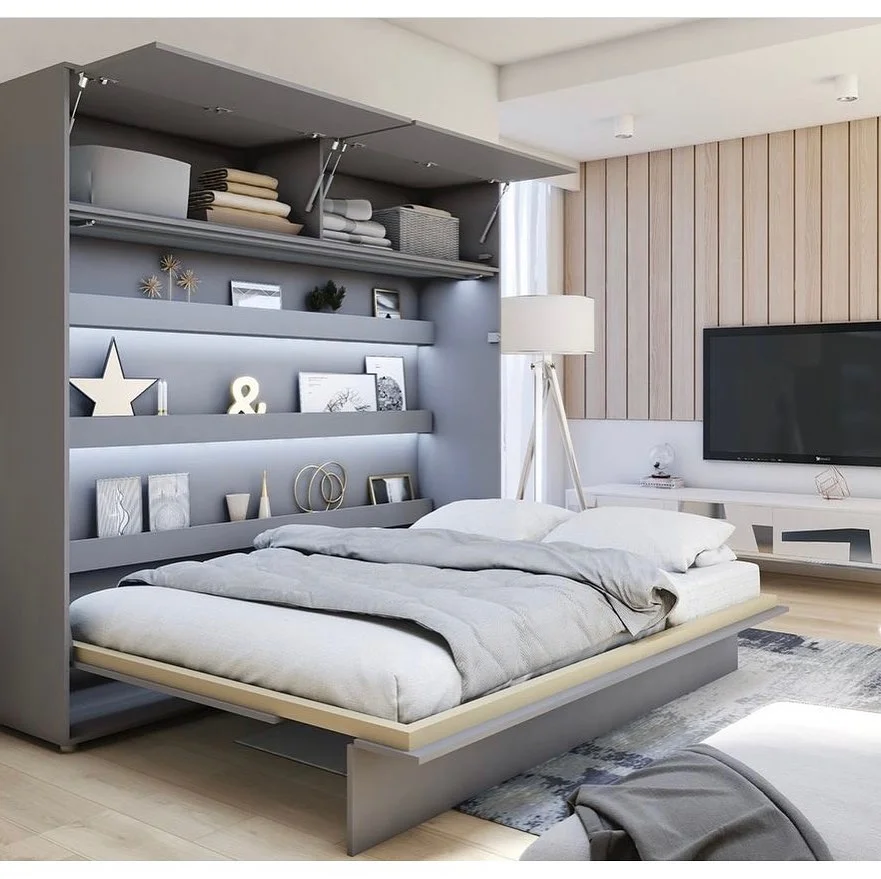
A sofa bed transforms the living room into a guest bedroom on demand. An ottoman with interior storage serves as both a coffee table and a linen chest.
A wall-mounted fold-down desk disappears completely when not in use. A storage bed with drawers beneath the mattress replaces an entire separate dresser.
Each piece that does double duty eliminates the need for an additional piece of furniture and keeps the apartment floor delightfully clear.
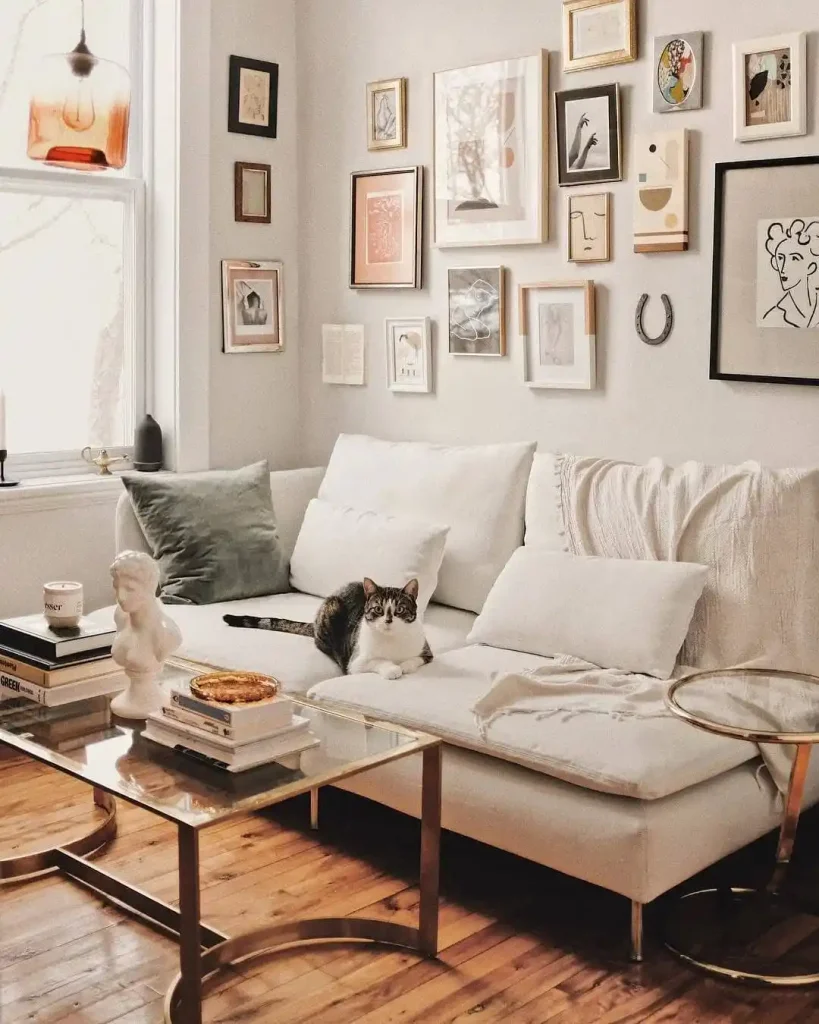
Idea 4: Mount Everything on the Walls
Every item mounted on a wall is one less item sitting on the floor.
In a small apartment, clear floor space is the most precious commodity of all.
The more floor you can see, the larger the apartment feels. Wall mounting removes furniture from the floor equation entirely and creates a clean, open visual field at ground level that makes rooms feel immediately more spacious.
Idea 5: Use Vertical Space from Floor to Ceiling
Most small apartment dwellers use the lower two meters of their vertical space and ignore the upper third of every room completely. This is an enormous waste of available storage and display space. The upper portions of walls are typically completely empty and represent significant untapped capacity in every room.
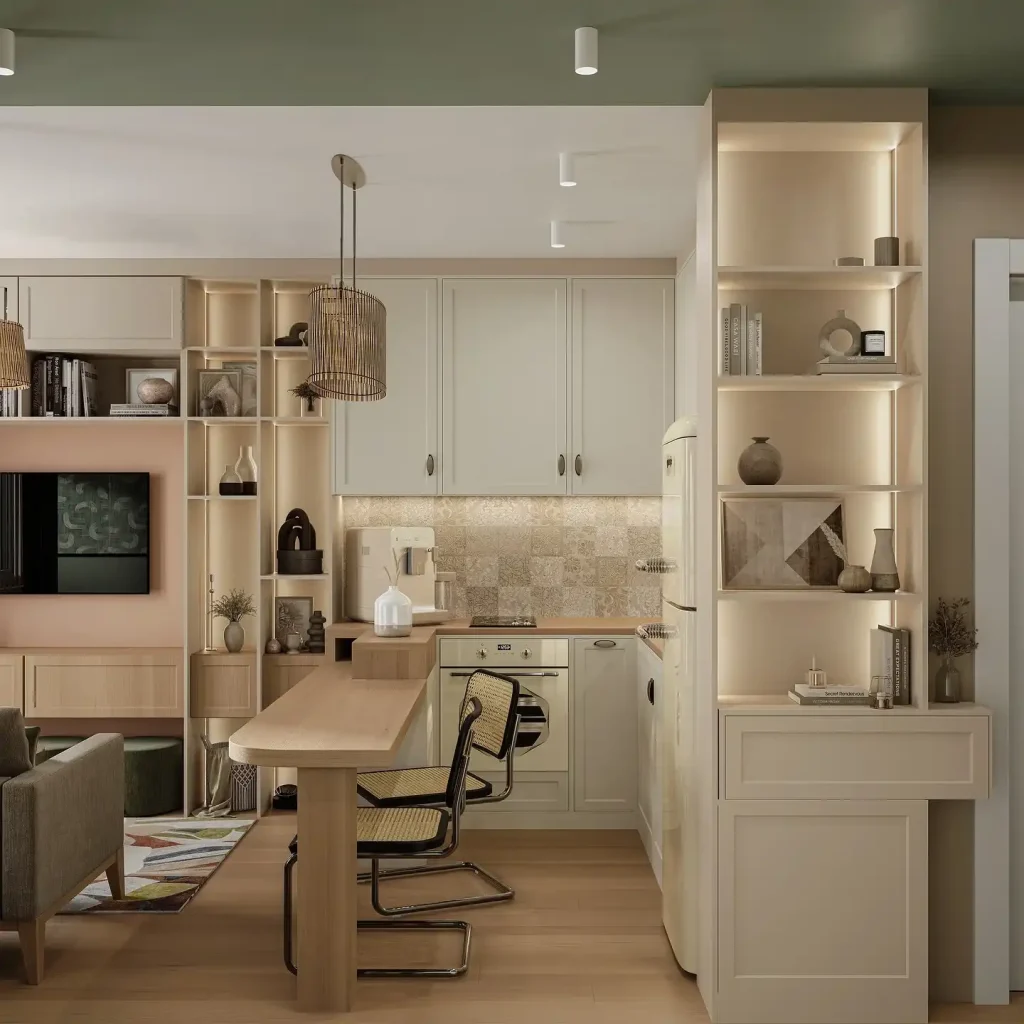
Install shelving all the way to the ceiling above wardrobes, desks, and kitchen units. Use the space above kitchen cabinets for rarely needed items in attractive baskets.
Mount pot racks from kitchen ceilings. Stack storage containers vertically rather than spreading them horizontally. A ceiling-height bookcase makes any room feel architecturally grand while providing extraordinary storage capacity. Vertical thinking transforms small apartments from storage-poor to surprisingly storage-rich.
Idea 6: Define Zones in an Open Plan Space
Open plan apartments often feel confusing and directionless when not properly zoned. Without defined zones, the eye does not know where to rest and the occupant does not know where each activity belongs. Defining clear zones makes an open plan small apartment feel significantly more organized, larger, and genuinely liveable.
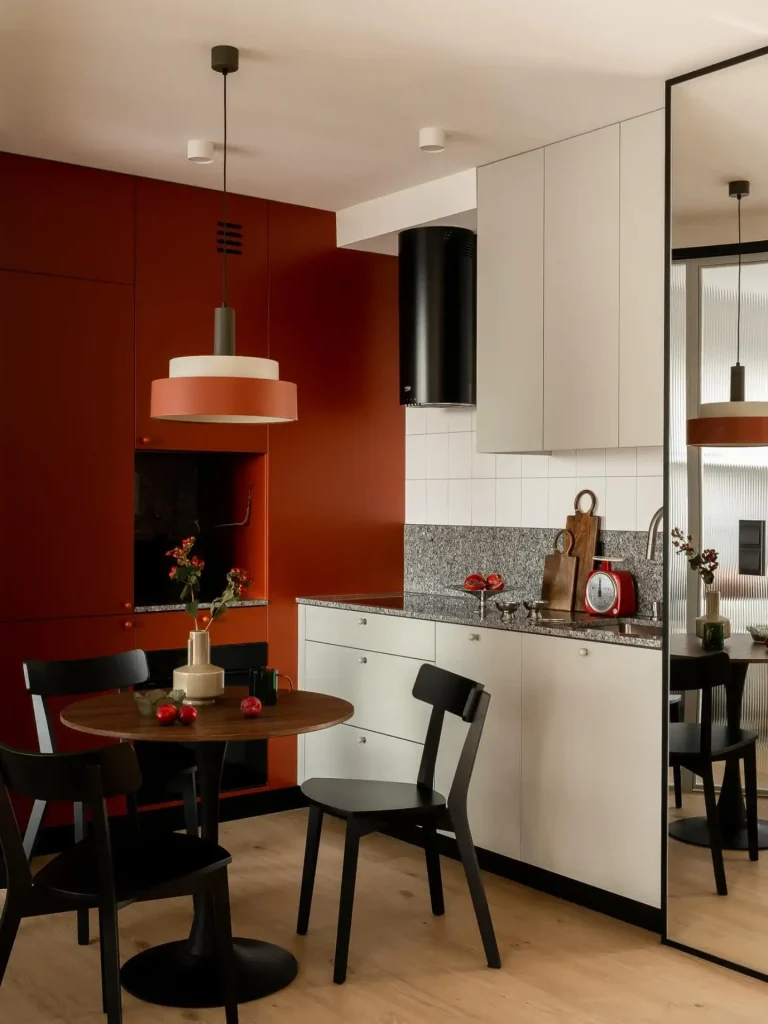
Use an area rug to define the living zone within an open plan space. A bookshelf placed perpendicular to the wall creates a visual divider between the living and sleeping areas without fully blocking light. Different lighting zones signal different functional areas.
A change of floor material between kitchen and living area creates clear spatial definition. A curtain on a ceiling track can separate zones when needed and disappear when open. Defined zones make a single space function like multiple distinct rooms.
Idea 7: Choose Furniture with Exposed Legs
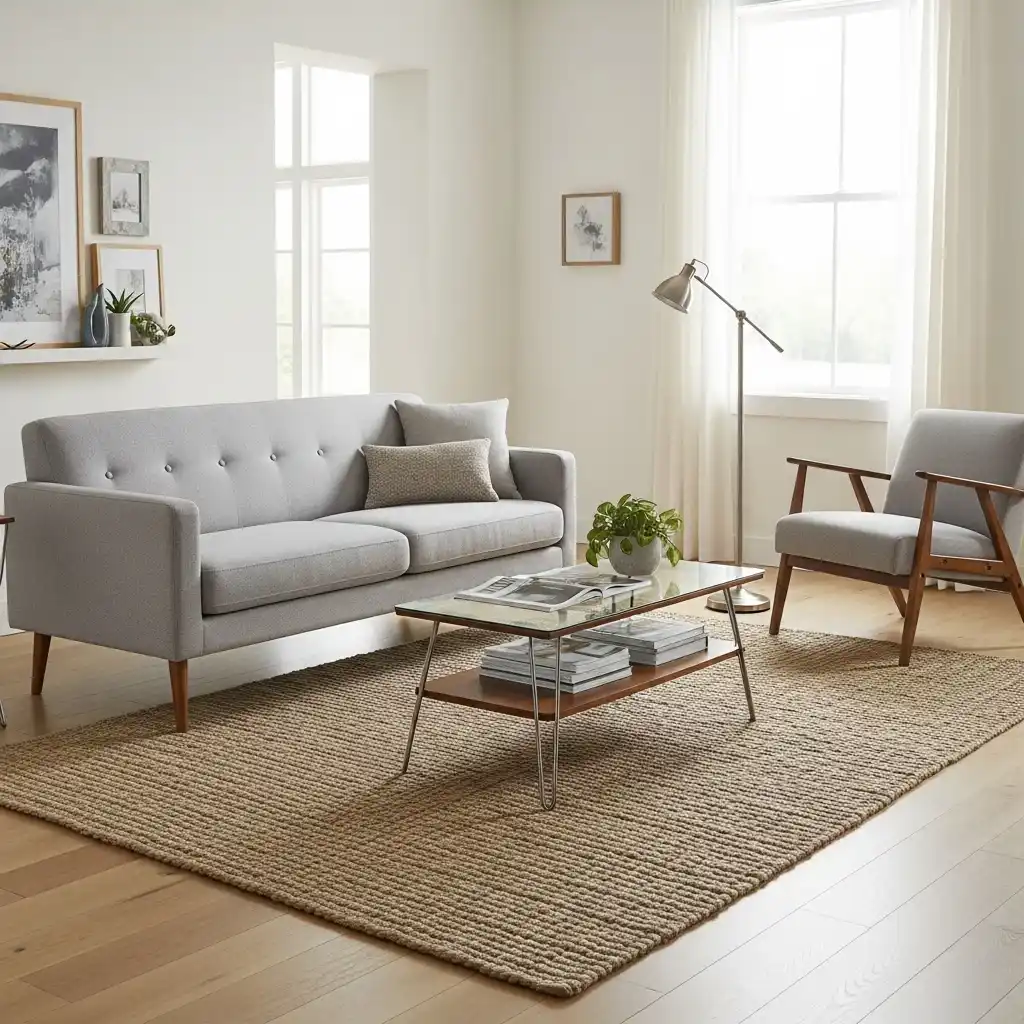
Furniture with exposed legs makes a room feel more spacious than furniture that sits flat on the floor. When you can see the floor beneath a sofa, bed, or sideboard, your eye reads it as one continuous space. The room looks bigger than it actually is.
What to choose:
- Sofa: Pick one on slim wooden or metal legs, not one that sits on the floor.
- Bed frame: Choose one with legs instead of a divan base.
- Dining table: Go for tapered legs instead of a solid pedestal.
The rule: The higher the leg and the slimmer the profile, the more floor you see. This trick costs nothing extra and makes a real difference in every room.
Idea 8: Create a Dedicated Home Office in a Small Apartment
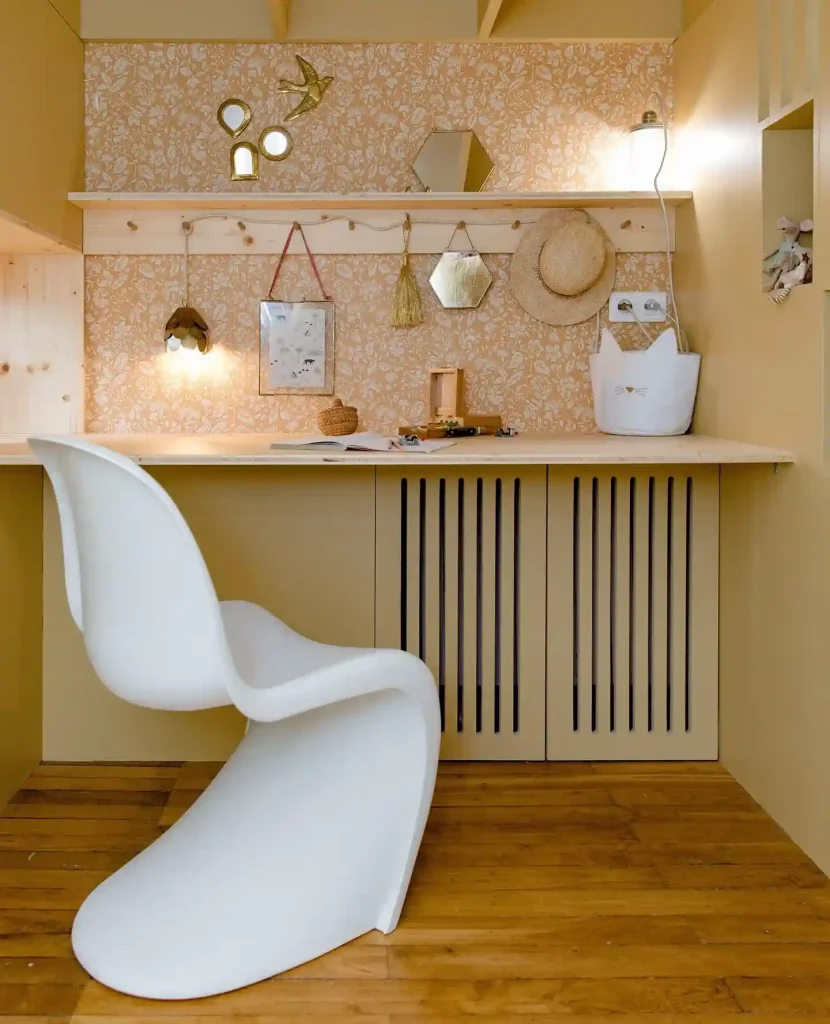
Working from home in a small apartment is one of the greatest challenges of modern urban living. Without a dedicated workspace, work and home life blur into each other constantly.
The living room never feels like a living room because the laptop is always on the coffee table. The bedroom never feels restful because the desk is three feet from the bed.
Idea 9: Maximize a Small Apartment Kitchen
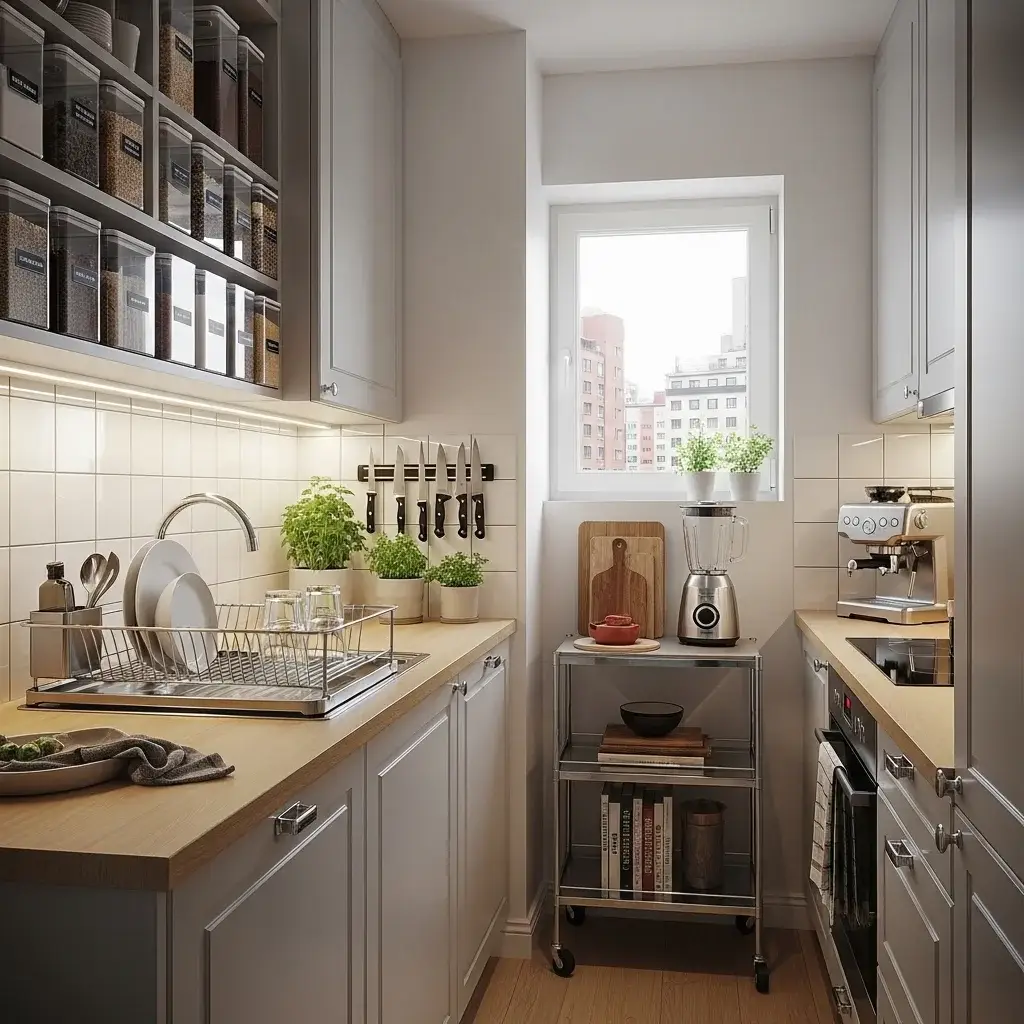
A small apartment kitchen feels worst when counter space runs out and storage turns into chaos. The secret is ruthless organization plus smart vertical storage. Keep every surface clear for prepping food. Keep every storage zone logical and easy to reach.
Upgrades that actually help:
Rolling cart: Adds counter and storage space when you need it, rolls away when you don’t.
Magnetic knife strip: Mount it on the wall to free up counter space.
Pot rack: Hang one from the ceiling or mount it on the wall.
Cabinet doors: Use the inside for spice racks and small organizers.
Pegboard: Put one on a kitchen wall for utensils, small tools, and herbs.
Idea 10: Design a Small Apartment Bedroom Cleverly
The bedroom in a small apartment must work twice as hard as a bedroom in a larger home.
It needs to provide a genuinely restful sleeping environment while also handling clothing storage, personal organization, and sometimes a workspace too.
Getting the bedroom right makes the entire apartment feel more manageable.
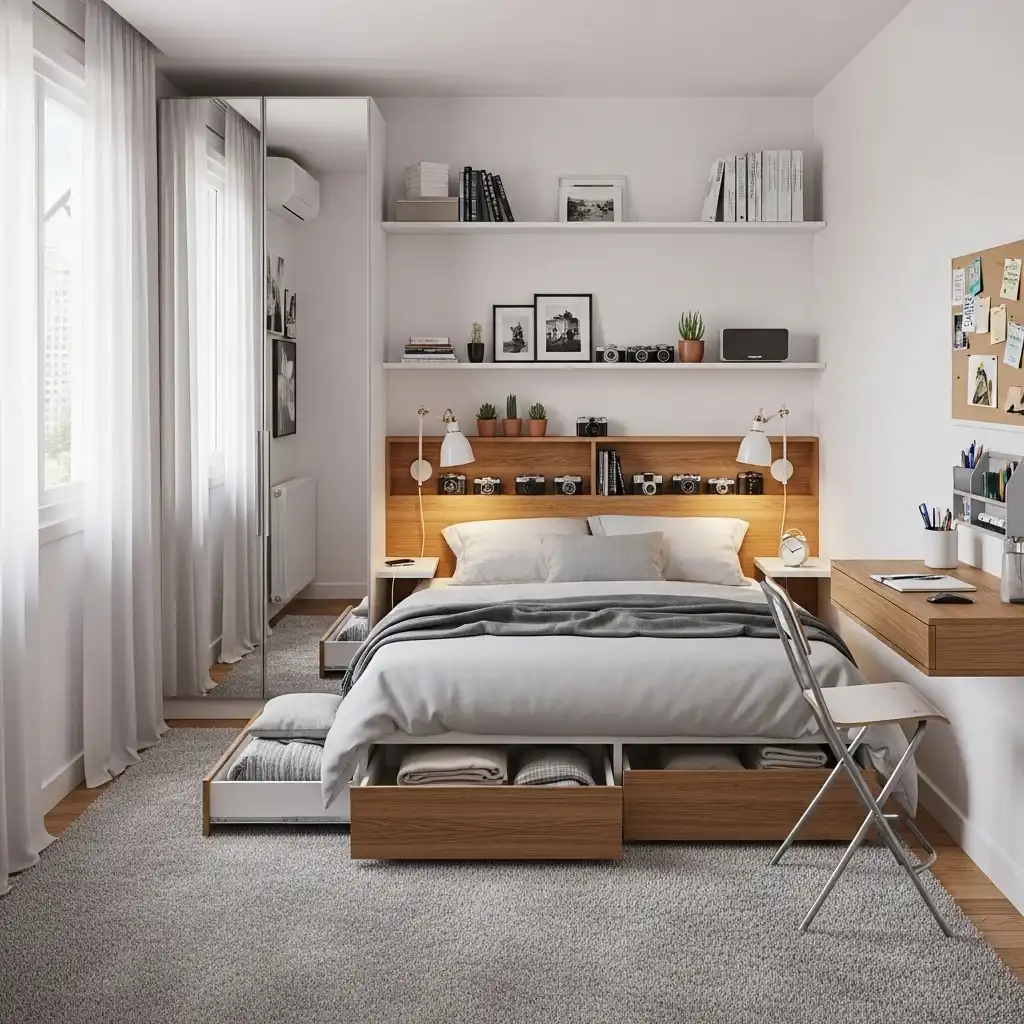
Choose a storage bed as the central furniture investment.
Beds with drawers beneath the mattress replace an entire chest of drawers. Use the space above the wardrobe for seasonal storage in clearly labeled boxes.
Mount bedside tables to the wall to keep the floor clear beside the bed. Install a full-height mirror on the inside of the wardrobe door to eliminate the need for a separate mirror in the room. A carefully planned small bedroom feels calm, organized, and genuinely restful.
Idea 11: Make the Most of a Small Apartment Bathroom
A small apartment bathroom often feels claustrophobic and cluttered with bottles, towels, and toiletries covering every available surface.
The solution is to move as much storage as possible off the floor and counter surfaces and onto the walls where it does not compete with the limited floor space.
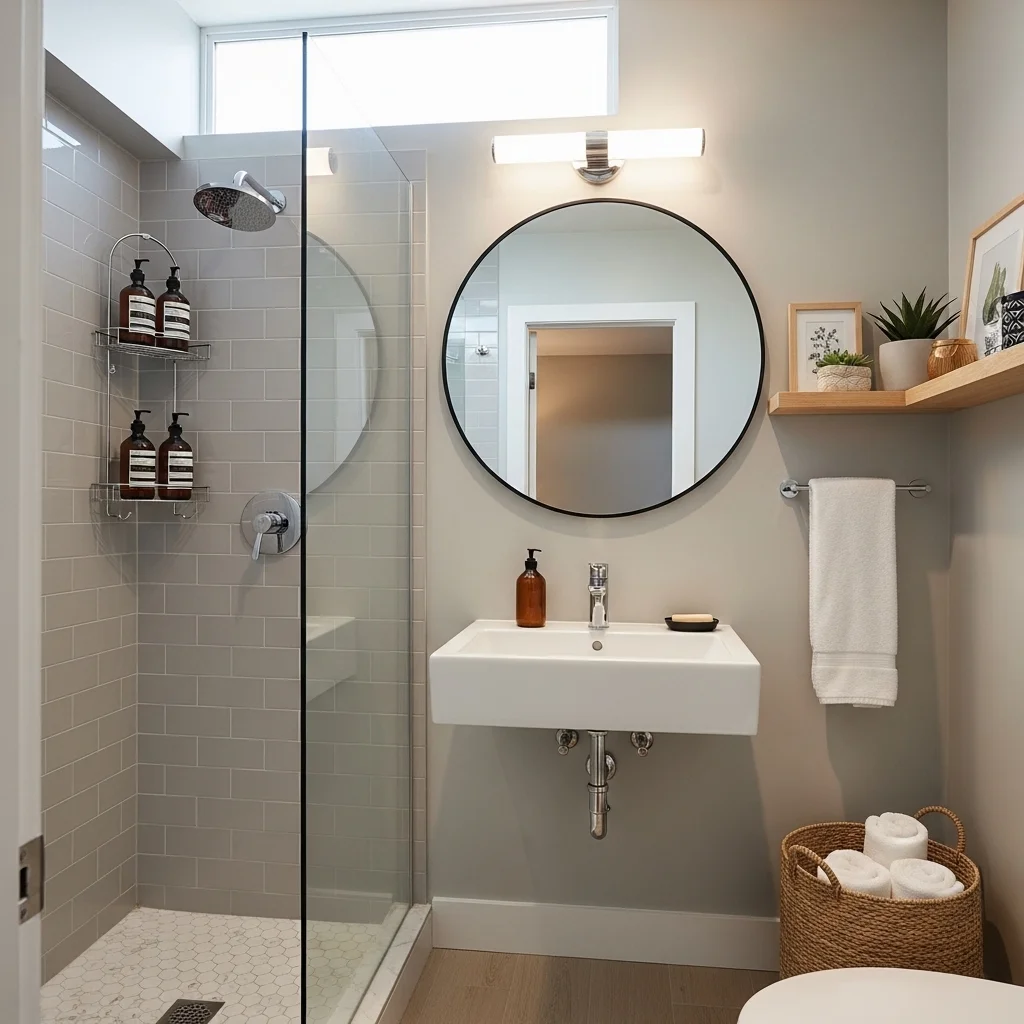
Install a wall-mounted vanity cabinet that lifts the sink off the floor, making the bathroom feel larger instantly. Add floating shelves above the toilet for towel and toiletry storage. Use a magnetic strip inside the cabinet for metal beauty tools.
Mount a towel rack on the back of the door. Add a shower caddy in the corner to keep shower products organized and off the floor. A well-organized small bathroom feels calm and clean rather than chaotic and cramped.
Idea 12: Use a Sofa Bed for Guest Sleeping
A sofa bed is one of the most practical investments a small apartment dweller can make. It solves the permanent problem of where guests sleep without dedicating a room or a permanent bed to that single purpose.
The living room functions perfectly as a living room every single day and converts to a guest bedroom whenever needed.
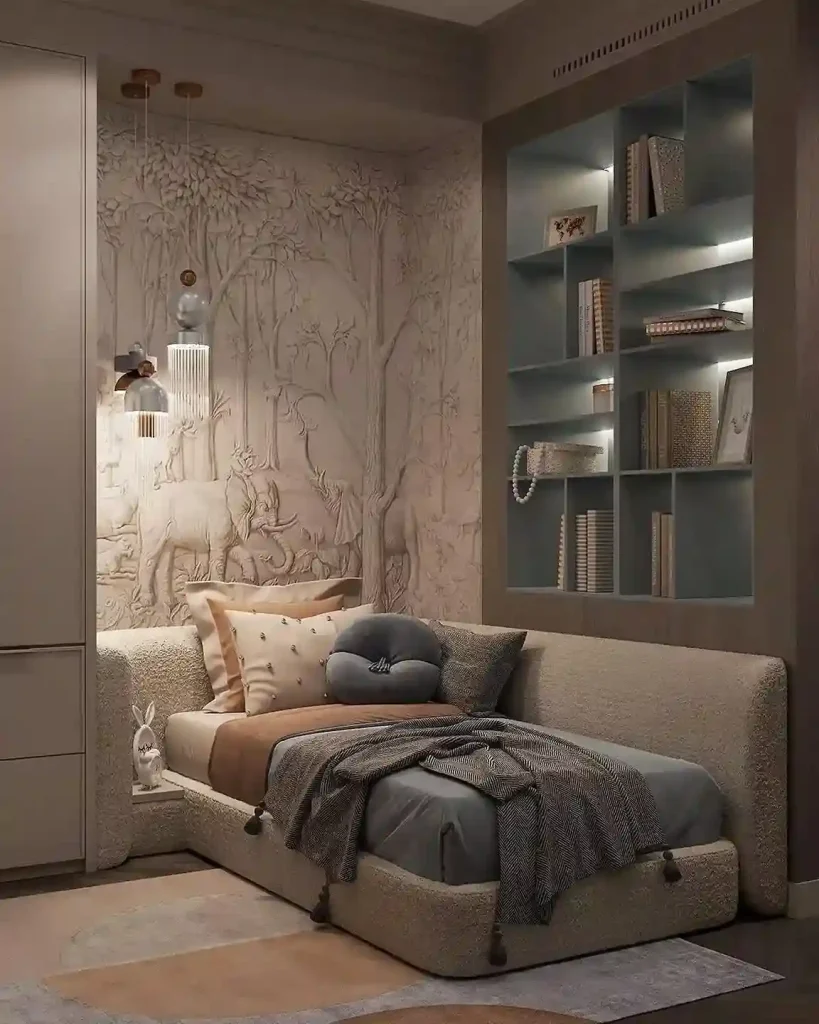
Modern sofa beds are significantly more comfortable and more stylish than their predecessors. Look for a sofa bed with a proper mattress rather than a thin fold-out.
Click-clack sofa beds that recline without unfolding are space-efficient for studio apartments. A daybed with a trundle bed beneath provides sleeping for two guests in minimal floor space. A well-chosen sofa bed makes hospitality possible in the smallest of apartments.
Idea 13: Hang Curtains High and Wide
The way curtains are hung has a dramatic impact on how large and tall a room feels. Most people hang curtains just above the window frame, which makes the window look small and the ceiling feel low.
Hanging curtains from the ceiling and extending the rod well beyond the window frame on each side creates an entirely different visual effect.
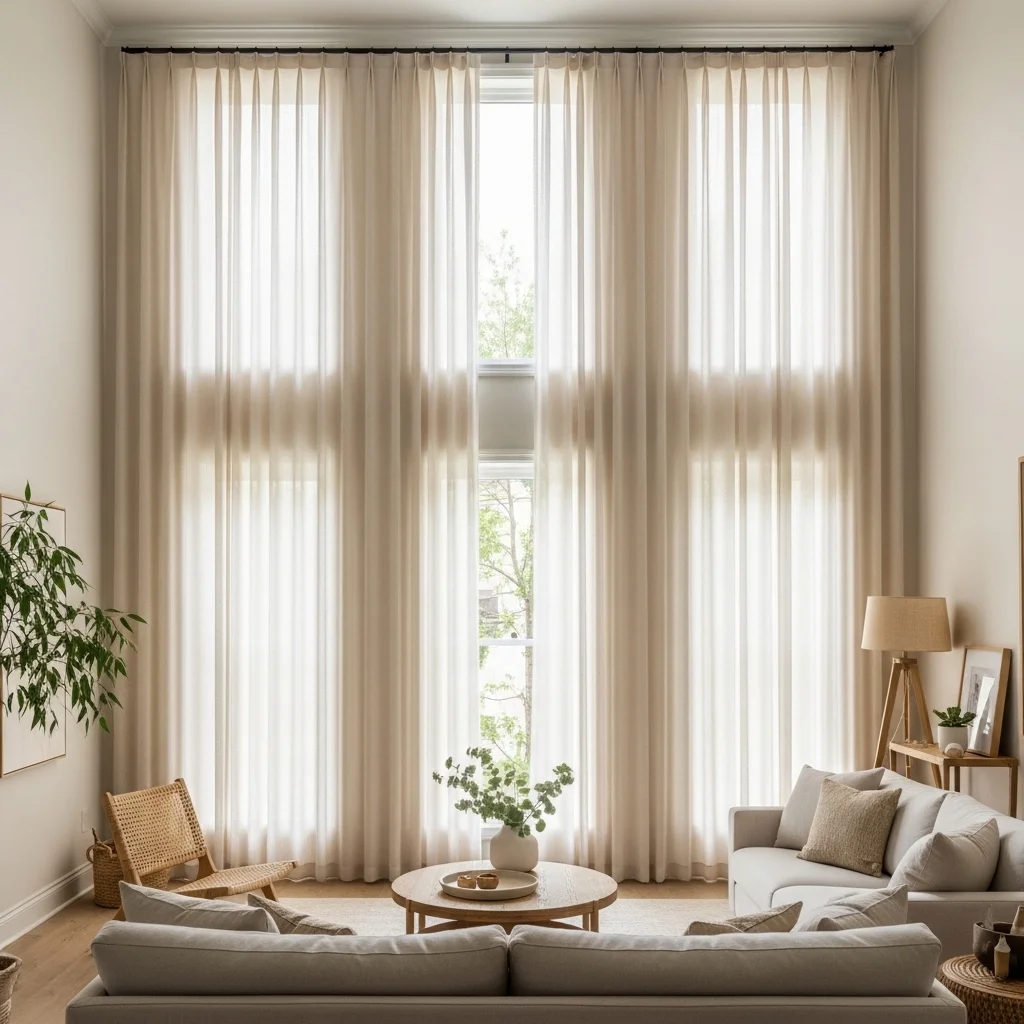
Mount curtain rods as close to the ceiling as possible rather than just above the window.
Extend the rod at least thirty centimeters beyond the window frame on each side so the curtains stack outside the window when open.
This reveals the full glass area, maximizes natural light, and makes the window appear significantly wider and taller. The ceiling-height curtains draw the eye upward and make the room feel dramatically taller than it actually is.
Idea 14: Create a Reading Nook in Unused Space
Every small apartment has at least one underused corner or alcove that could become a beautiful, functional reading nook. Transforming wasted space into a cozy, dedicated purpose-built nook adds tremendous enjoyment to daily life without using any additional floor space in the main room.
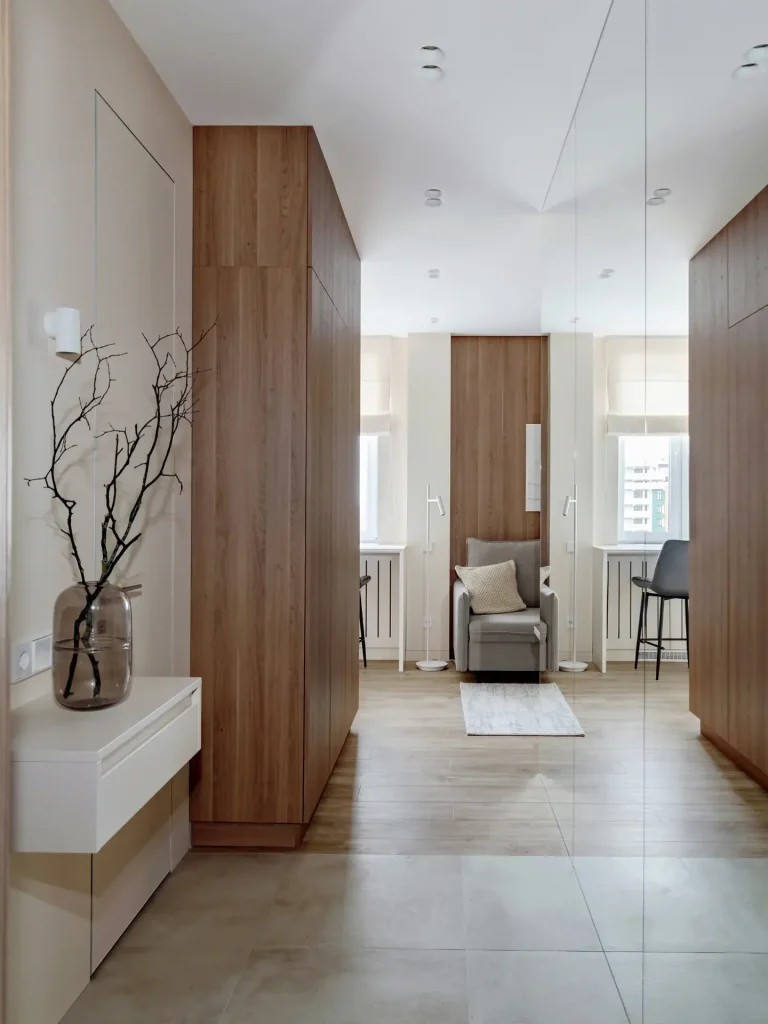
A window seat with storage beneath in a deep window alcove creates a perfect reading spot with bonus storage inside the seat box. A corner nook with a floating shelf seat, a cushion, and a small wall-mounted lamp costs almost nothing to build.
Idea 15: Use Transparent and Glass Furniture
Transparent and glass furniture is one of the most underused tools in small apartment design.
A glass or acrylic coffee table takes up exactly the same floor space as a wooden one but occupies almost no visual space at all.
The eye passes straight through it as though it were not there. The result is a room that feels significantly less cluttered and more spacious.
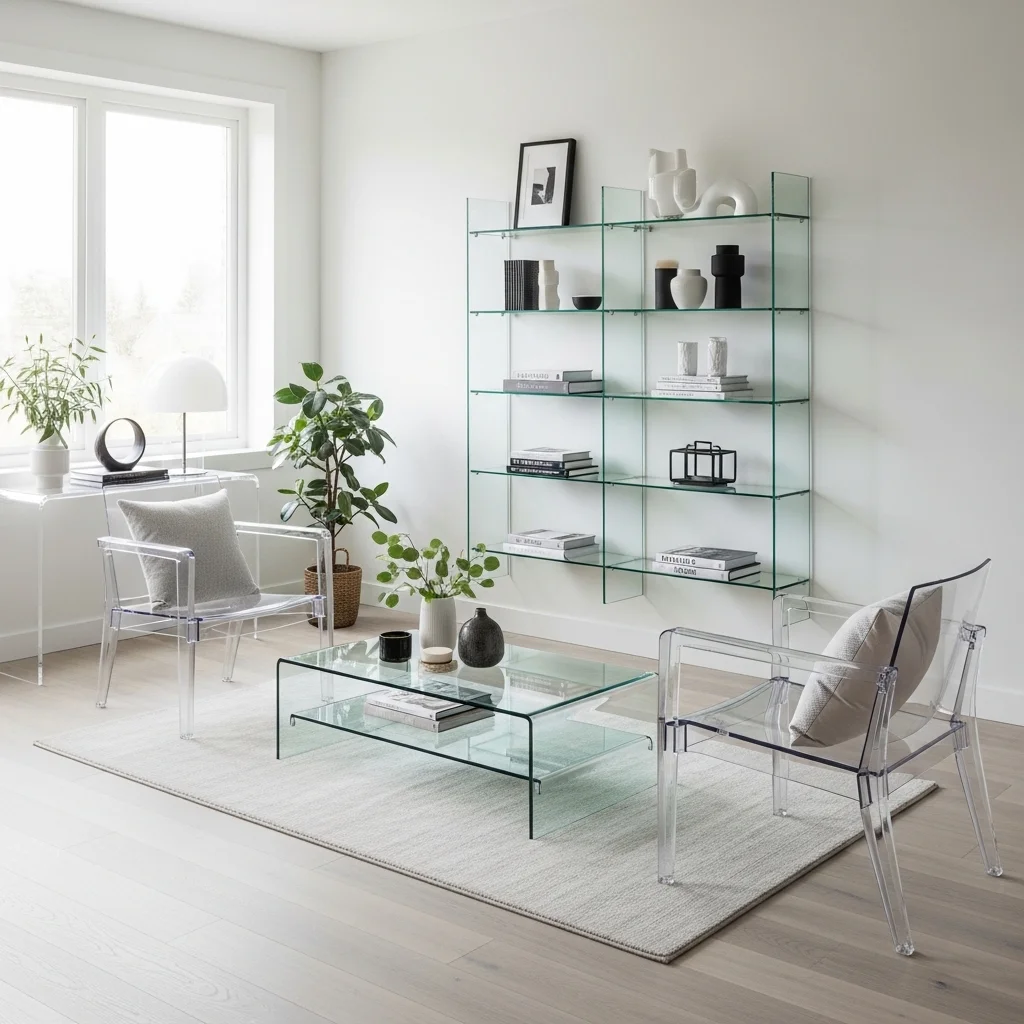
An acrylic ghost chair is as comfortable as a conventional armchair but visually disappears into the room.
A glass dining table makes a small dining area feel twice as large. Lucite side tables allow the eye to travel uninterrupted across the full width of the room.
Where you cannot eliminate a piece of furniture, making it transparent achieves the next best visual result. This technique works especially well in small dining areas, living rooms, and bedrooms.
| Transparent Furniture Piece | Space Visual Effect |
| Glass or acrylic coffee table | Visual space preserved beneath and around |
| Acrylic ghost chair | Chair present but visually absent |
| Glass dining table | Dining area feels open and expansive |
| Lucite side tables | Eye travels through without obstruction |
| Glass-front display cabinet | Storage visible but visually lighter |
Idea 16: Declutter Ruthlessly and Regularly
No amount of clever furniture choices and design tricks can compensate for genuine clutter. A small apartment filled with things that are not needed, not loved, and not used will always feel cramped and overwhelming regardless of how skillfully it is designed.
Decluttering is not a one-time project but a continuous practice that keeps small apartment living manageable and enjoyable.
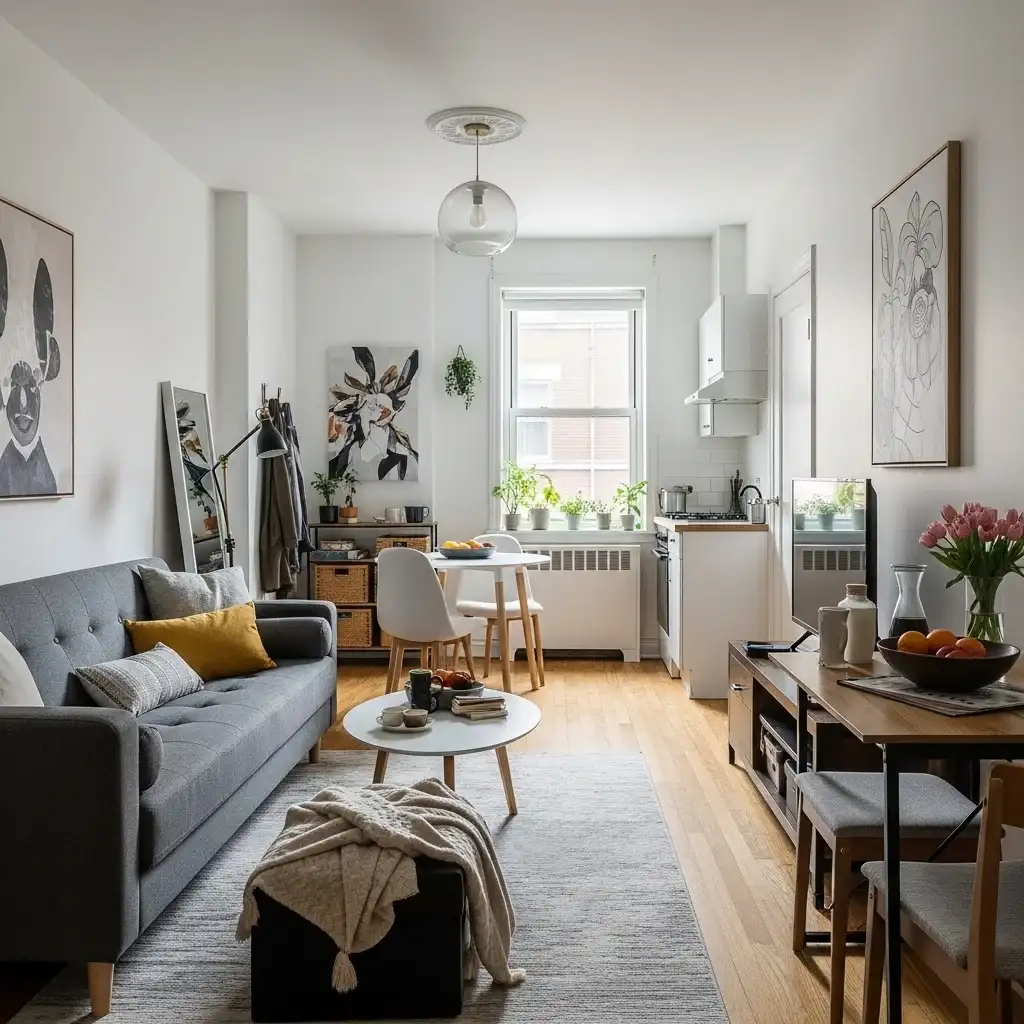
Adopt the one-in-one-out rule strictly.
Every new item that enters the apartment must be accompanied by an item leaving it. Schedule a monthly declutter of one zone or room.
Ask the hard question about every possession whether it is genuinely used, genuinely loved, or genuinely needed. Donate, sell, or discard anything that fails this test.
Storage space in a small apartment is too precious to be occupied by things that add no value to daily life.
Idea 17: Use Built-In Storage Wherever Possible
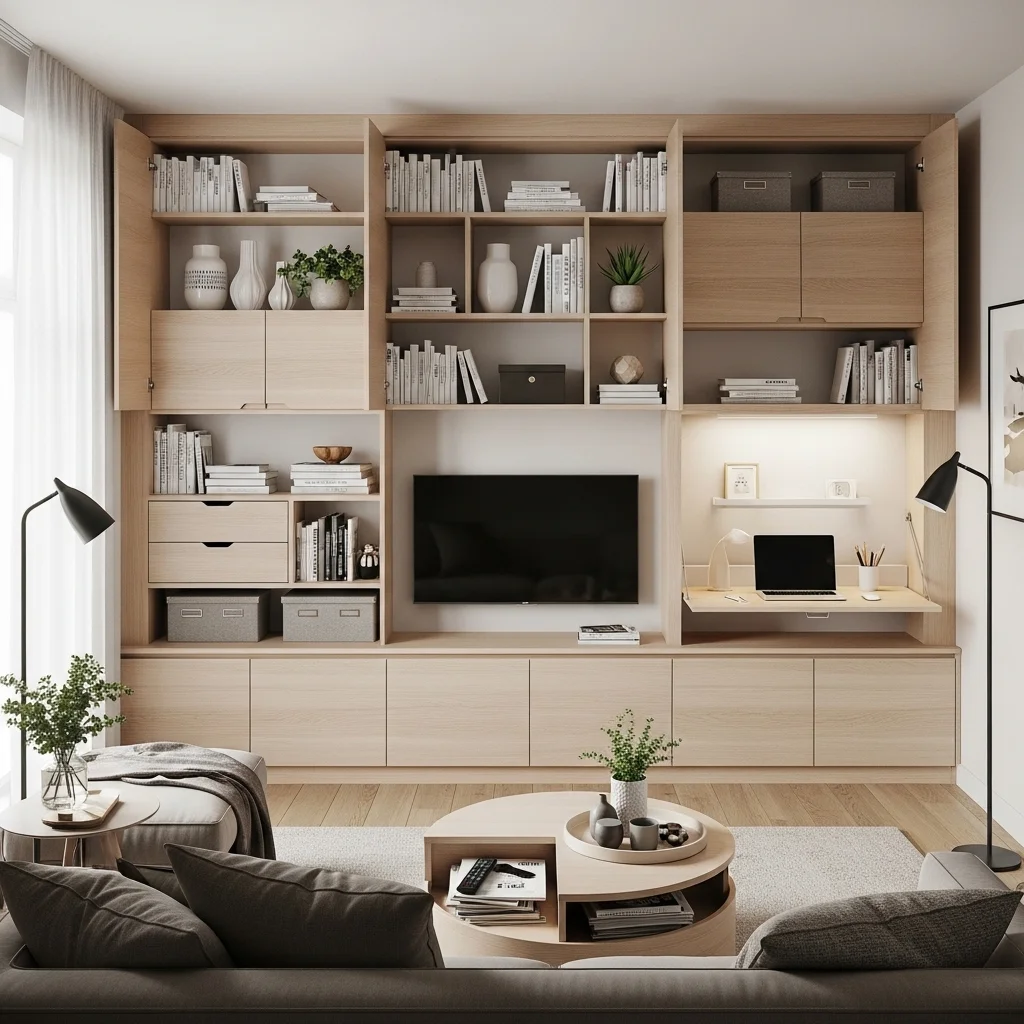
Built-in storage is the best way to organize a small apartment. It uses spaces freestanding furniture can’t reach. It creates a clean, seamless look. And it squeezes storage out of every single inch.
Where to add it:
Wardrobes: Floor-to-ceiling built-ins replace several freestanding pieces with one clean wall of storage.
Alcoves: Fill the recesses beside chimney breasts with shelves for books, plants, and display items.
Under-stair space: Turn that wasted triangle into drawers, cupboards, or shelving.
Unused corners: Even a simple row of built-in shelves boosts storage dramatically.
| Built-In Storage Location | What to Build There |
| Floor-to-ceiling wardrobe | Complete clothing and storage system |
| Chimney breast alcoves | Shelving and cupboards in recesses |
| Under staircase space | Drawers, shelves, or cupboard doors |
| Above doorways | Narrow shelves for books and display |
| Sloped ceiling zone | Custom drawers fitting the angle |
Idea 18: Choose a Compact Dining Solution
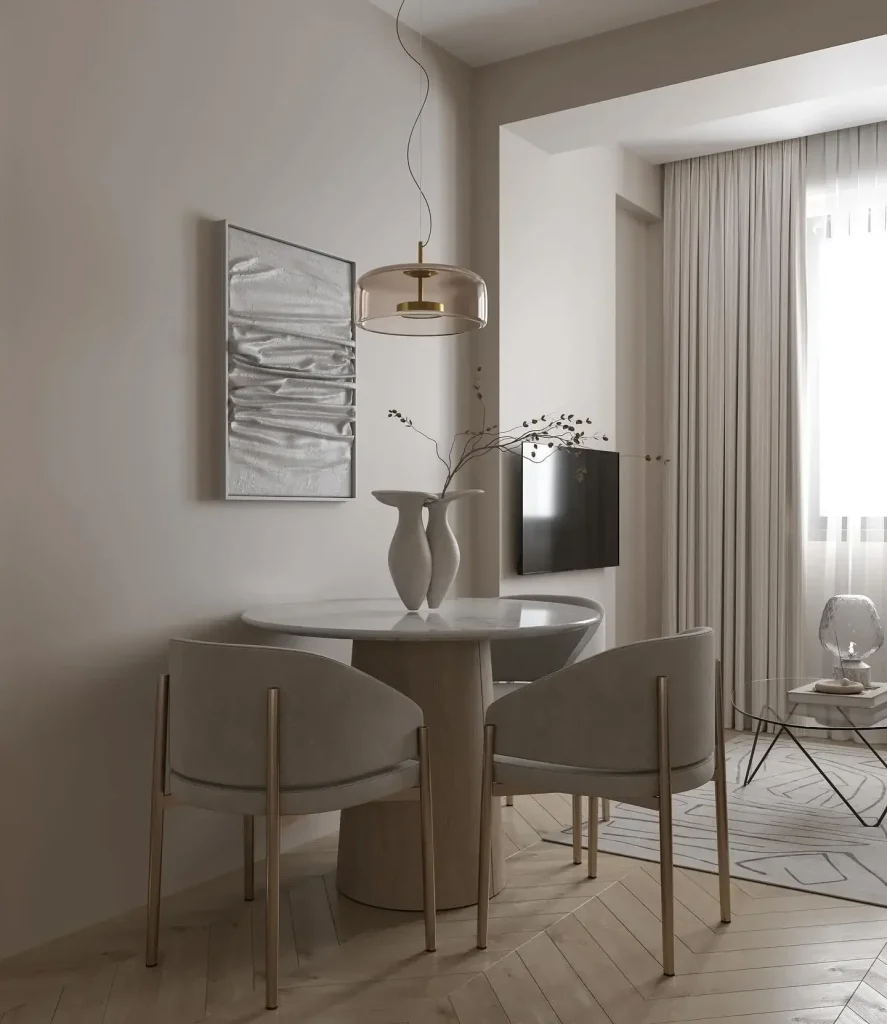
A full-sized dining table with chairs is one of the greatest space consumers in a small apartment. When not in use for meals, which is most of the day, it occupies significant floor space while doing nothing at all.
Smart small apartment dining solutions shrink the footprint dramatically without sacrificing the ability to eat comfortably.
Idea 19: Maximize Natural Light in Every Room
Natural light is the most powerful tool available for making a small apartment feel larger, healthier, and more beautiful. A bright, well-lit apartment always feels more spacious than a dark one of identical dimensions. Maximizing every source of natural light should be a primary design priority in any small apartment.
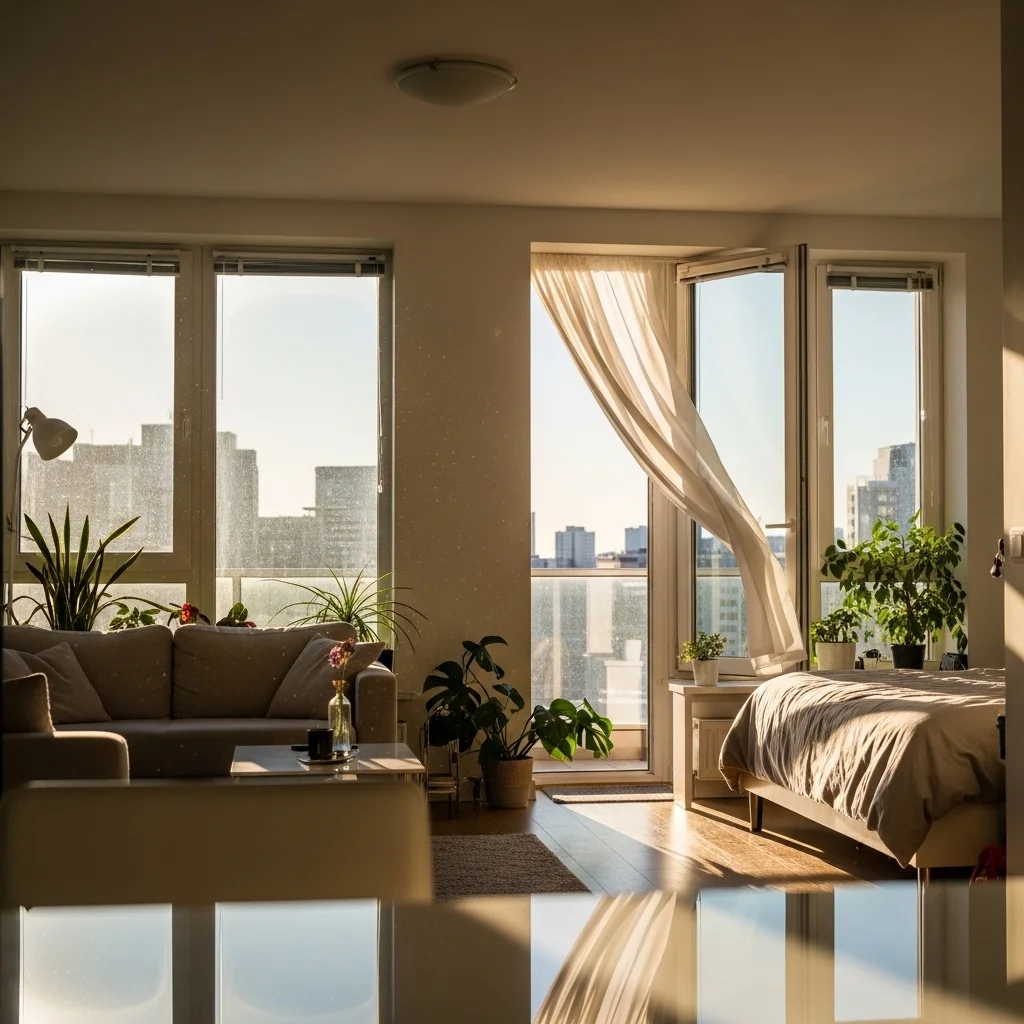
Keep windows completely unobstructed during daylight hours. Use sheer curtains that diffuse rather than block light. Remove any furniture placed directly in front of windows. Position mirrors to reflect window light deep into the room.
Use glass-paneled internal doors to allow light to flow between rooms. Paint walls and ceilings in light-reflecting colors. Every additional lumen of natural light you bring into the apartment makes it feel more open, more welcoming, and significantly more spacious.
Idea 20: Create a Studio Apartment That Works
A studio apartment presents the ultimate small space challenge. Every function of home life, sleeping, living, cooking, working, and sometimes dining, must coexist within a single room without any of them overwhelming the others. The key is creating clear psychological zones that make the single space feel like several distinct areas.
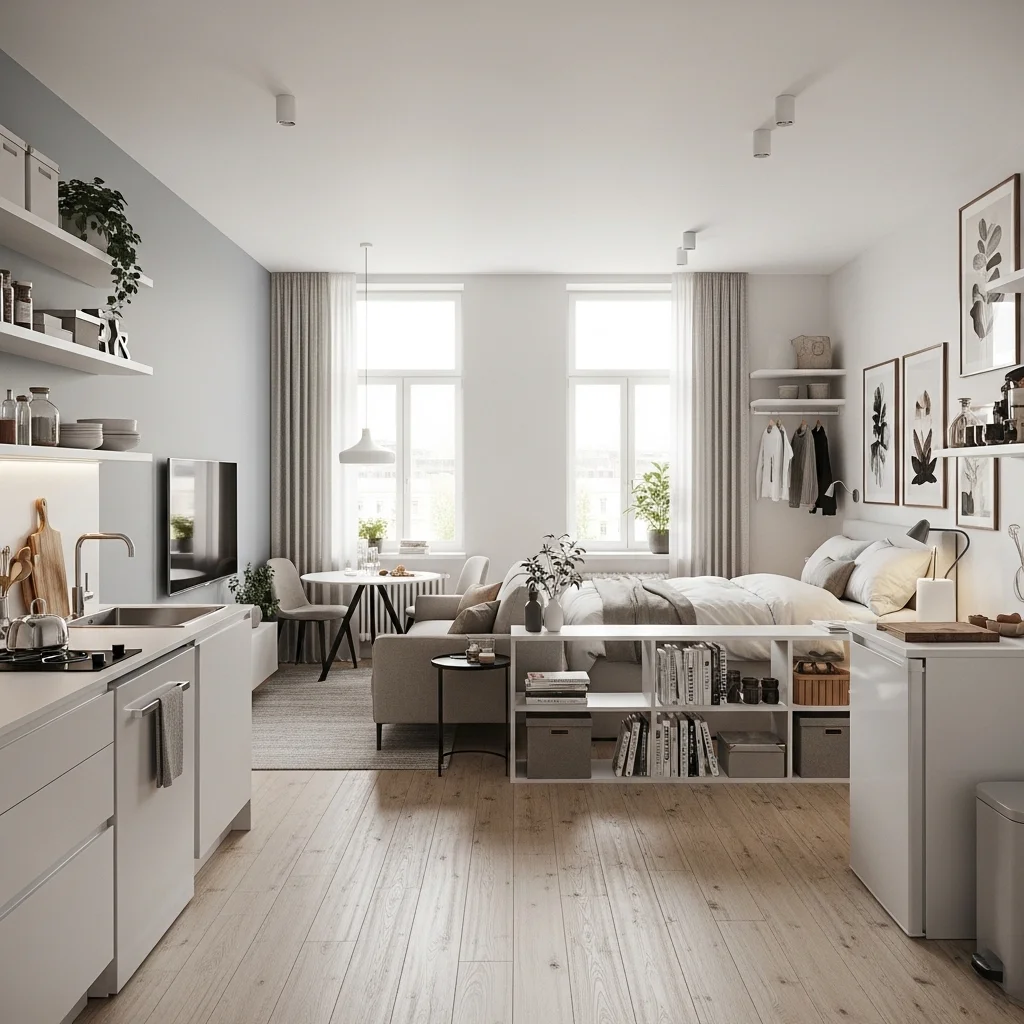
Position the bed against the wall furthest from the entrance and define it with a canopy, headboard wall panel, or curtain to create a sense of a separate sleeping zone. Use the center of the studio for the living area anchored by a rug and a compact sofa.
Define the kitchen zone through consistent cabinetry and flooring. A fold-down desk creates the work zone that disappears at the end of the day. Careful zone definition makes a studio feel organized, intentional, and genuinely liveable rather than chaotic and overwhelming.
Idea 21: Use Dark Colors as Strategic Accents
While light colors create the sense of space, used strategically, dark colors add depth, drama, and a sense of architectural sophistication that prevents a small apartment from feeling bland and characterless. The key is using dark colors as accents rather than as dominant tones.
One dark wall in a room of light walls creates depth rather than reducing the sense of space.
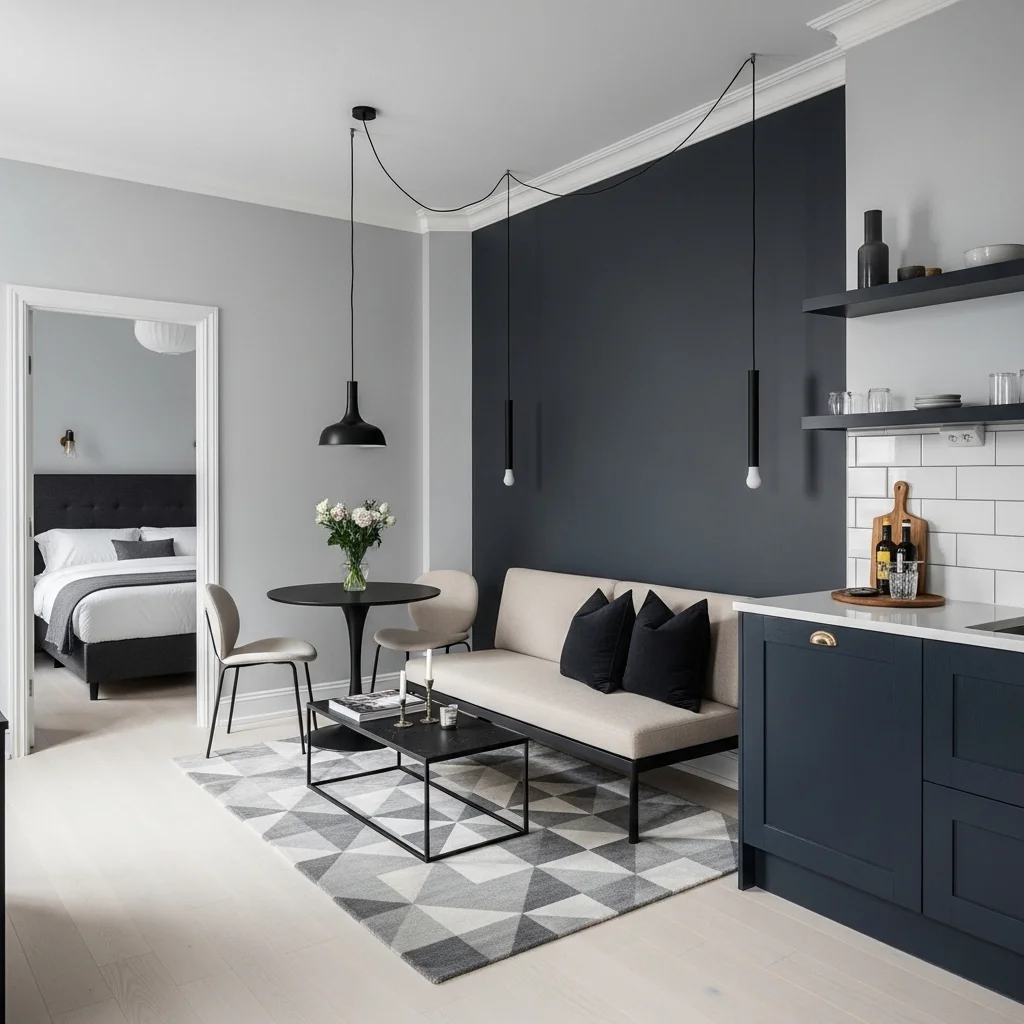
Paint a single feature wall in a deep, rich color like navy, forest green, or charcoal.
This creates a sense of depth behind the main sofa or bed that actually makes the room feel larger than an all-white approach. Dark ceilings painted in deep blue or green create a cozy, intimate sensation that suits small apartments beautifully.
Dark paint in a small bathroom makes the space feel deliberately intimate and spa-like rather than accidentally cramped.
| Dark Color Placement | Surprising Space Effect |
| Single feature wall behind sofa | Depth creates perceived room expansion |
| Dark painted ceiling | Cozy, intimate sky above the room |
| Small bathroom in dark paint | Deliberately intimate spa atmosphere |
| Dark kitchen cabinet doors | Rich depth in practical kitchen zone |
| Dark accent wall behind bed | Bedroom feels intentional not cramped |
Idea 22: Add Plants Without Losing Floor Space
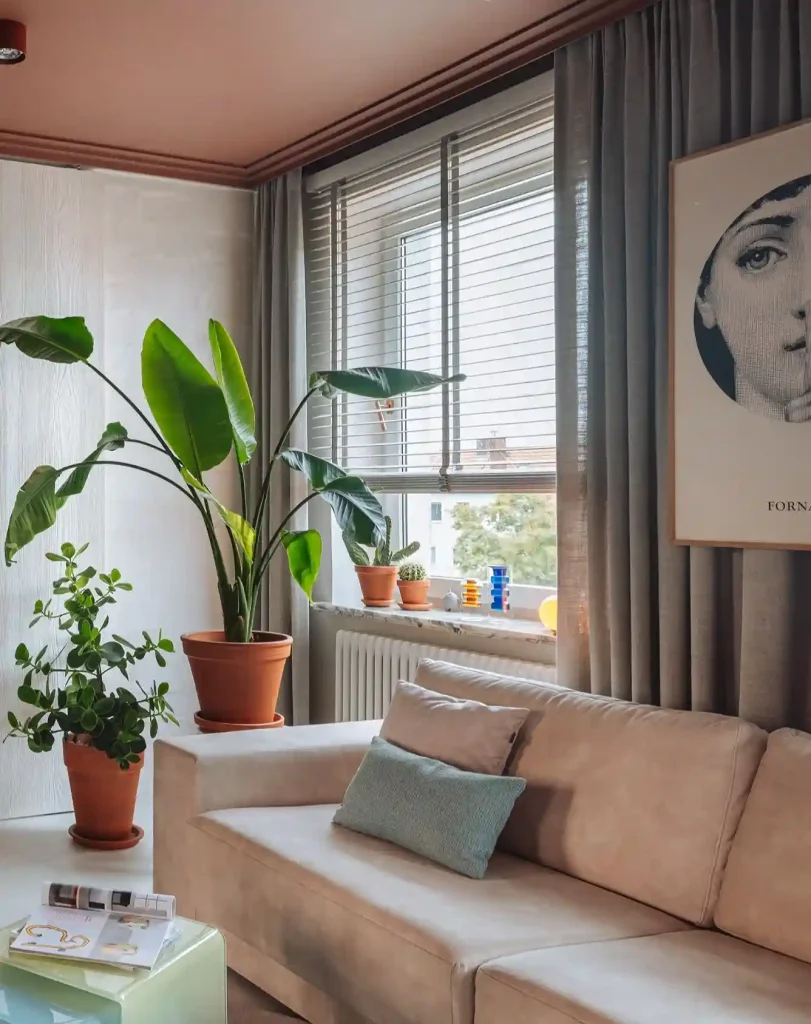
Plants make any apartment feel alive, fresh, and genuinely inhabited. But in a small apartment, large floor plants use precious square footage that the apartment cannot easily spare. The solution is to bring plants into the apartment without placing them on the floor at all.
Hang trailing plants from ceiling hooks beside windows. Mount small wall planters in a vertical garden arrangement on one kitchen wall. Place plants on floating shelves at varying heights. Use a tall narrow plant stand that has a minimal floor footprint but lifts a plant to display height.
Idea 23: Use Consistent Flooring Throughout
Using the same flooring material and color throughout an entire small apartment is one of the most powerful space-expanding techniques available. When the eye encounters a change in flooring between rooms, it registers a boundary and a visual interruption. A continuous floor surface flows uninterrupted from room to room and makes the entire apartment feel significantly larger than its actual size.
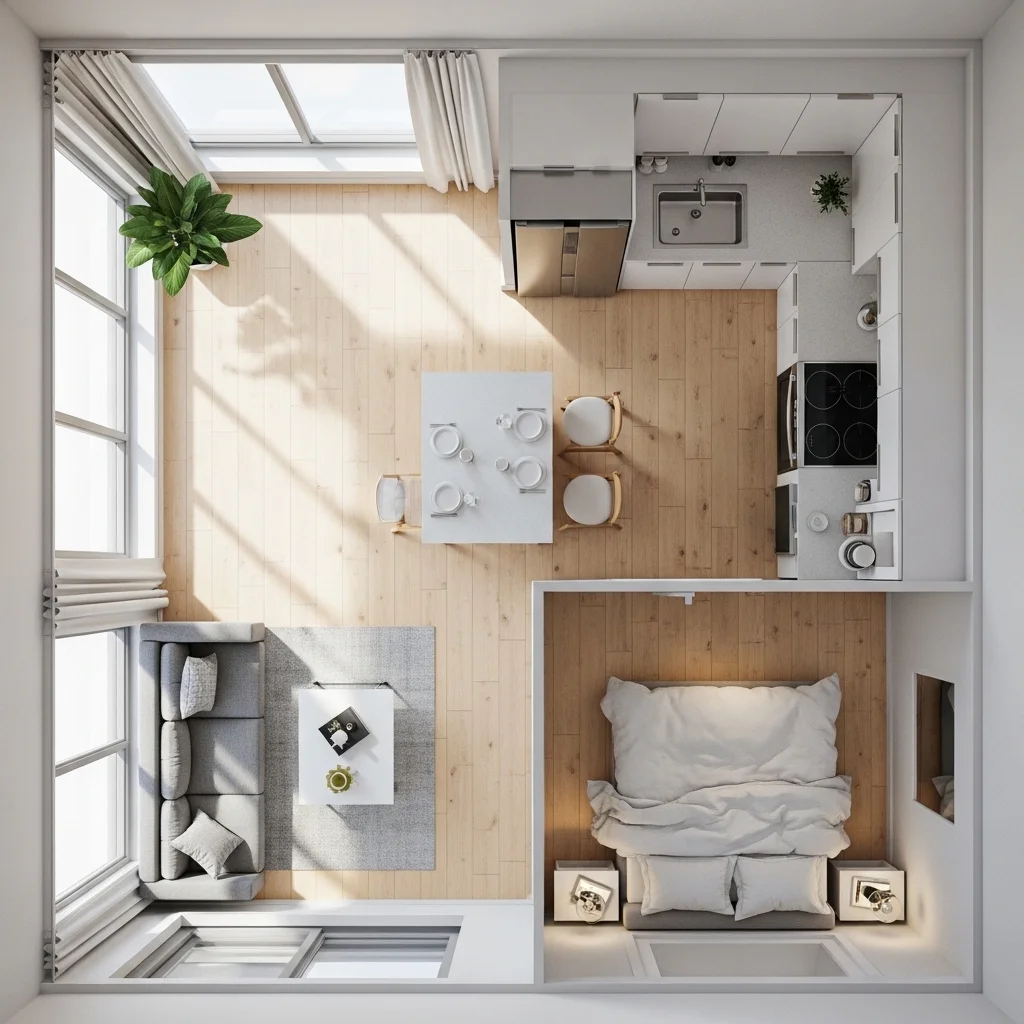
Choose one light-toned, continuous flooring material for the entire apartment. Light oak engineered wood, pale limestone tiles, or light gray vinyl planks all work beautifully. Avoid dark floors in small apartments as they absorb light and make rooms feel smaller and heavier. If the flooring already varies between rooms, unifying it in the next renovation is one of the most impactful investments in perceived space you can make.
Idea 24: Create Clever Entryway Storage
The entryway of a small apartment sets the organizational tone for the entire home. If the entrance is chaotic and cluttered, the entire apartment feels chaotic from the first step inside. A well-organized, beautifully designed entryway makes every return home a genuinely pleasant experience and keeps the rest of the apartment significantly tidier.
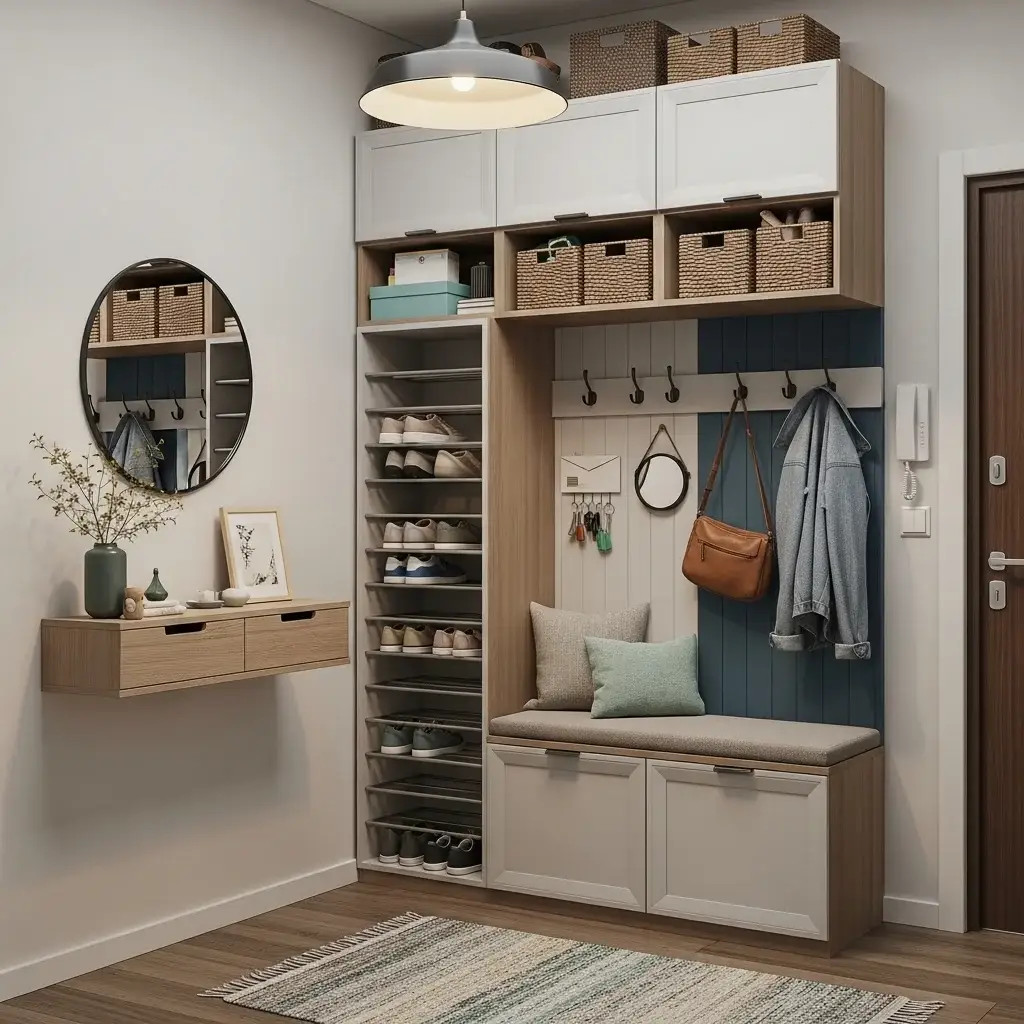
Install a full-height narrow shoe cabinet beside the entrance door. Mount a row of hooks at varying heights for coats, bags, and keys. Add a small floating shelf for phone, wallet, and glasses at arrival. A slim bench or stool beside the door provides a place to sit while removing shoes. A wall-mounted mirror beside the entrance reflects light and serves as a last-look check before leaving. Every entryway detail pays dividends in daily convenience and overall apartment tidiness.
Idea 25: Use Curtains as Room Dividers
Curtains hung from ceiling tracks are one of the most flexible, affordable, and beautiful room-dividing solutions for small apartments.
They create complete visual separation between zones when closed and disappear entirely when open. Unlike permanent walls or even bookshelves, curtains allow the apartment to flex between open and divided configurations instantly.
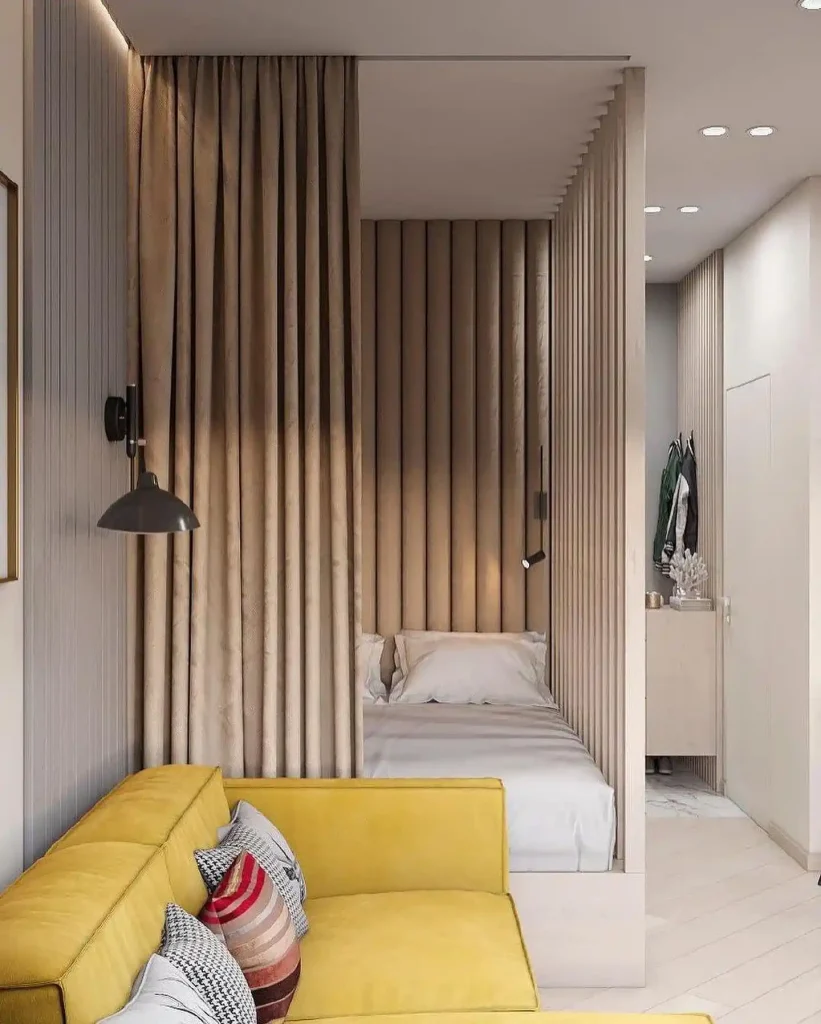
A ceiling-mounted curtain track from wall to wall separates the sleeping zone from the living area in a studio apartment. Pull the curtain closed for privacy and darkness during sleep. Open it completely during the day to restore the full open-plan living space.
A curtain in front of the wardrobe area replaces wardrobe doors and creates a softer, more relaxed appearance. Curtains in linen, cotton, or velvet all suit this purpose beautifully depending on your chosen aesthetic.
Idea 26: Invest in Good Quality Lighting
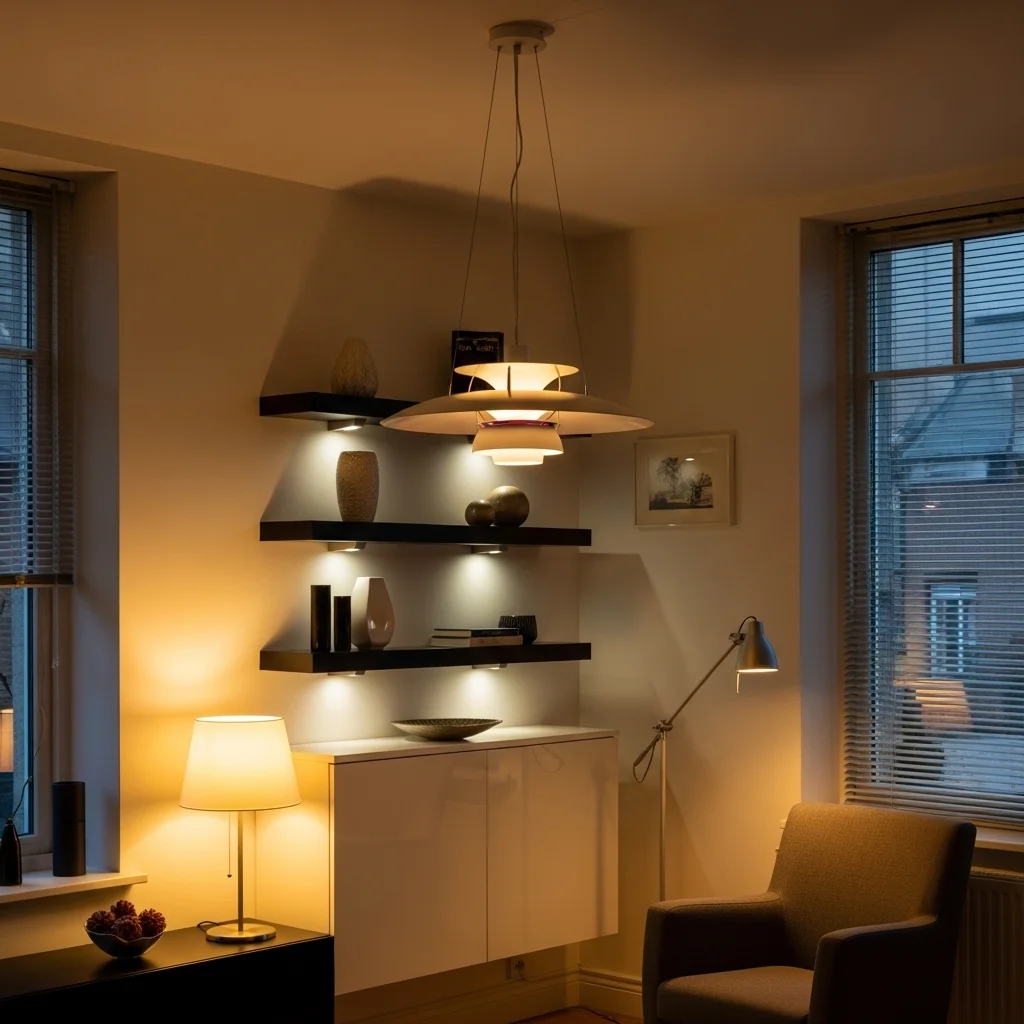
Good lighting transforms any home, but it’s critical in a small apartment. One harsh overhead light makes everything look flat and unflattering.
It highlights how small the space is and shows every flaw. Layered, warm, well-placed lighting creates depth and intimacy. Even the tightest room feels generous.
Layer at least three light sources per room:
- Ambient: Overhead light for general illumination.
- Task: For work, reading, and cooking.
- Accent: For atmosphere and visual interest.
The must-do: Use warm white bulbs at 2700 to 3000 Kelvin throughout. You’ll get a consistently warm, welcoming glow in every room.
Idea 27: Make the Most of Outdoor Space
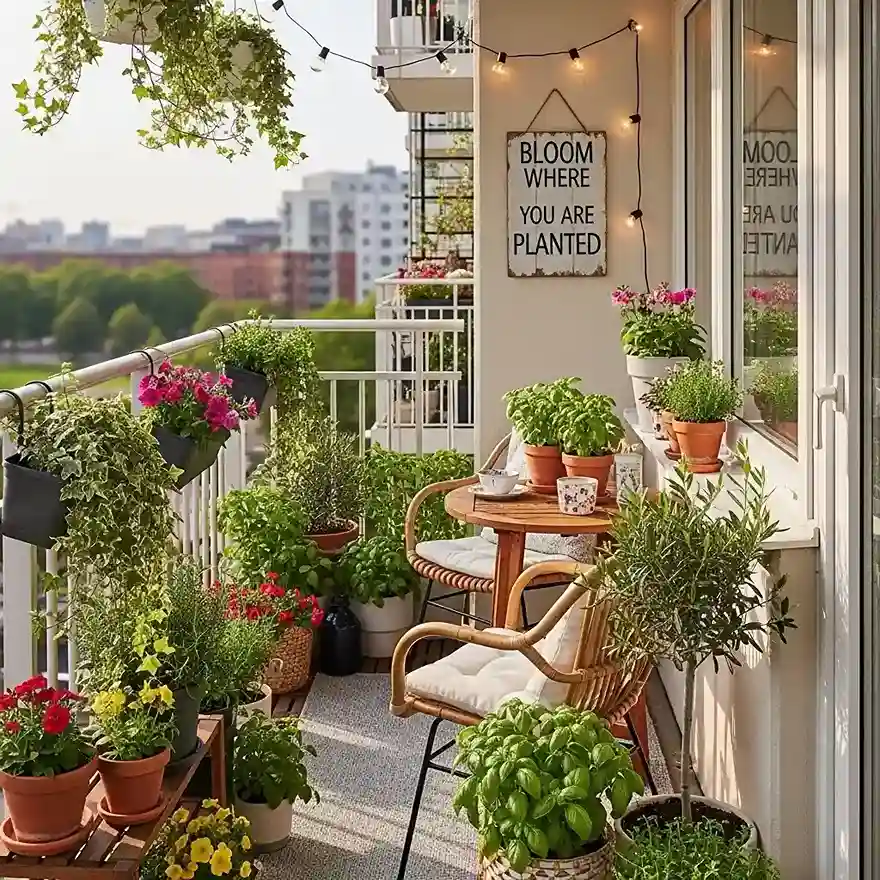
A balcony, terrace, or even a window box is one of the most valuable assets of any small apartment.
Outdoor space extends the living area beyond the apartment walls, providing room to breathe that is impossible to replicate indoors. Making the outdoor space as beautiful and functional as possible adds significantly to the perceived size and quality of the entire home.
Idea 28: Keep Surfaces Clear and Intentionally Styled
Clear surfaces make small apartments feel dramatically larger, calmer, and more organized. The opposite is also true with brutal accuracy. A small apartment with cluttered surfaces feels overwhelmingly cramped regardless of how cleverly the furniture is arranged. Keeping surfaces clear is one of the most important daily habits in small apartment living.
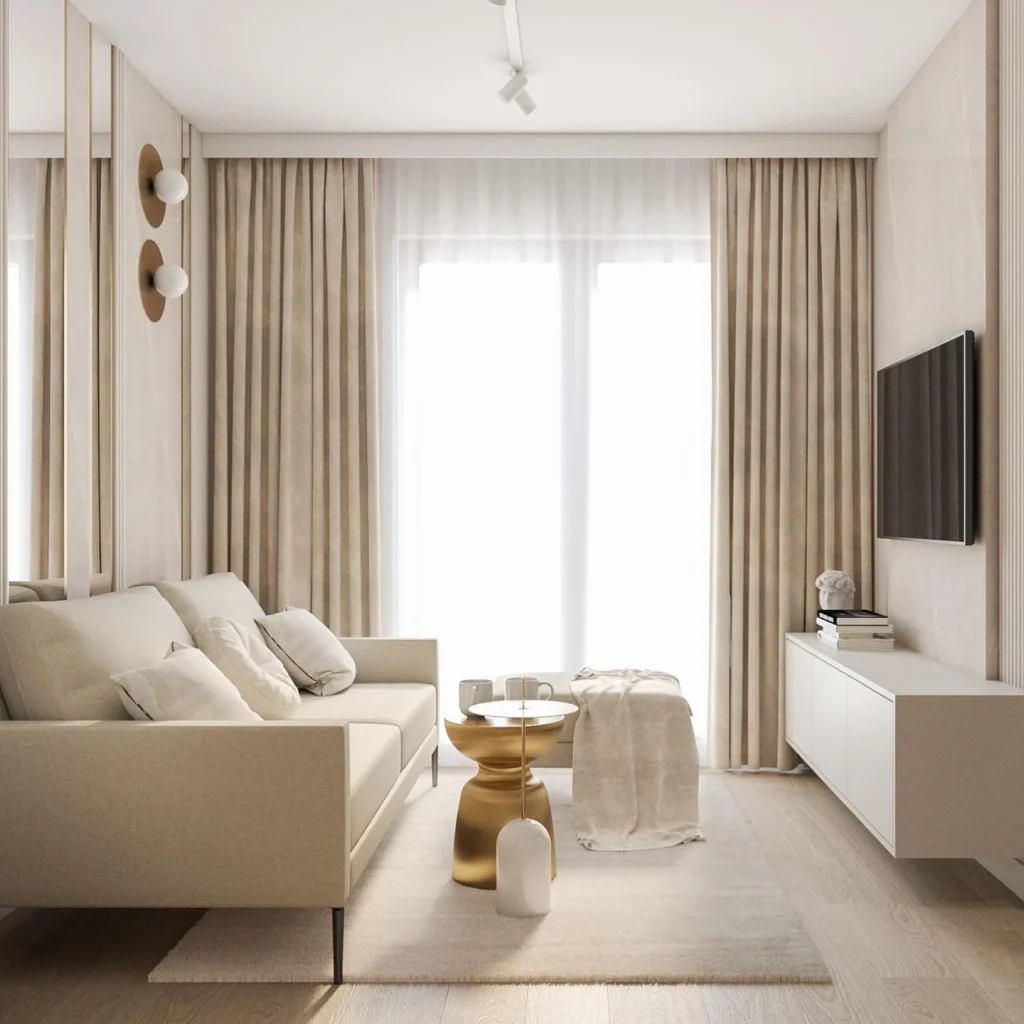
Adopt the principle that every surface in the apartment should be intentionally styled rather than accidentally cluttered. On the coffee table allow only three to five carefully chosen objects. On the kitchen counter keep only what is used daily. On the bedside table keep only a lamp, a book, and one personal item. On the desk keep only the current work. Everything else goes into storage. An intentionally styled apartment feels curated, calm, and far larger than its square footage suggests.
Idea 29: Choose the Right Sofa Size for a Small Living Room
The sofa is the largest piece of furniture in most living rooms and the most critical size decision in a small apartment. The wrong sofa size overwhelms the room and makes it feel permanently cramped. The right size creates a comfortable seating area while leaving enough open floor space for the room to breathe.
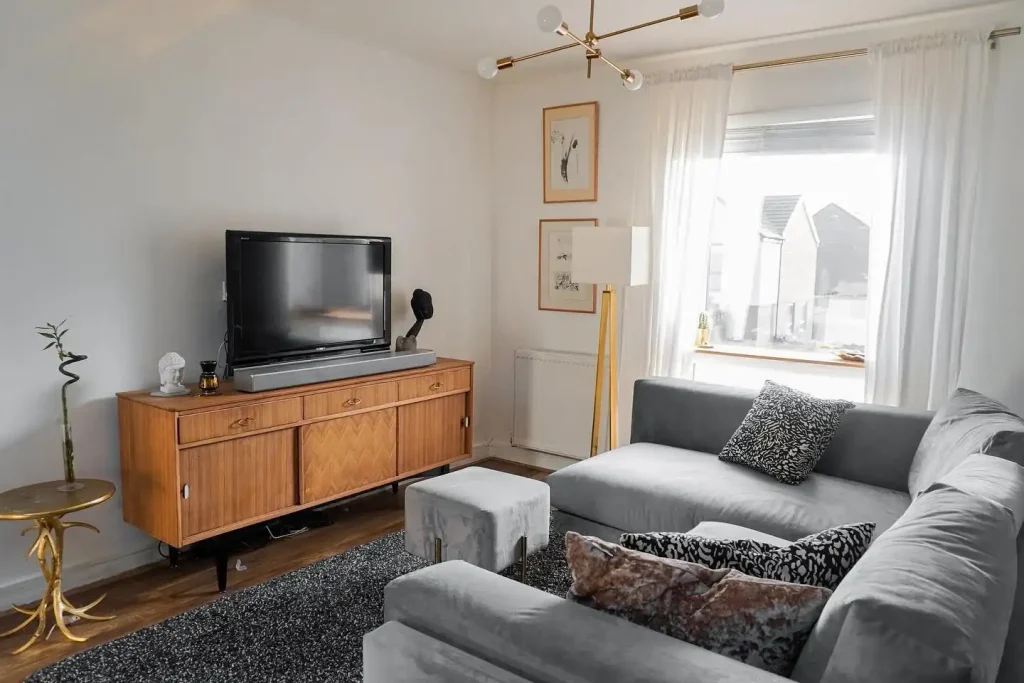
Measure the living area carefully before purchasing any sofa. Leave at least sixty centimeters of walkable space on all sides of the sofa. A two-seater sofa often suits small living rooms better than a three-seater. A compact sectional in an L-shape can work well in a corner without dominating the room. Avoid sofas with thick arms and deep bases as these consume significantly more visual and physical space than necessary. A slim-armed sofa on low legs always looks smaller and less imposing than its measurements suggest.
Idea 30: Use Art Strategically to Add Depth and Character
Art in a small apartment does far more than decorate the walls. Positioned correctly, it creates a sense of depth that makes rooms feel larger. It draws the eye to specific focal points and away from the constraints of the space. It adds personality and character that makes the apartment feel genuinely inhabited and uniquely personal.
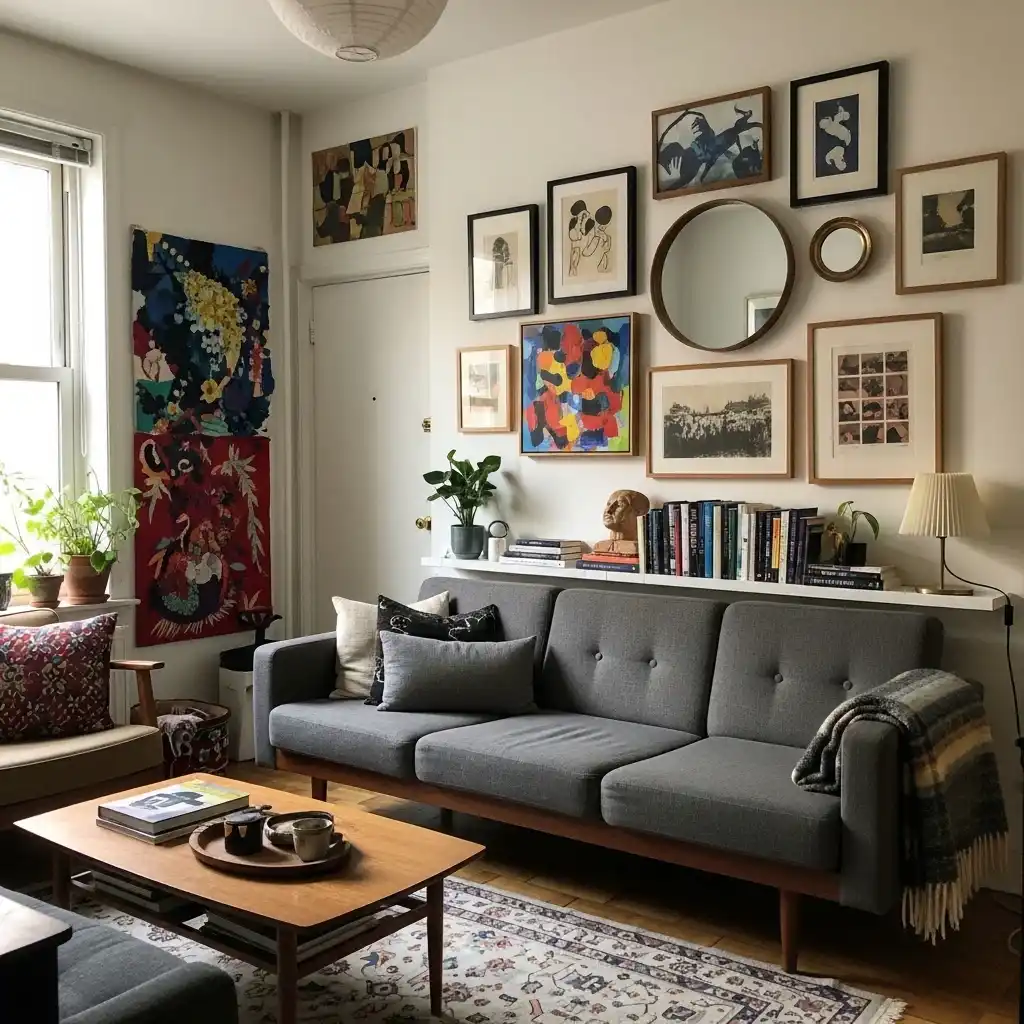
One large piece of art on a wall always feels more spacious than multiple small pieces covering the same area. A landscape artwork or photograph with depth and recession makes the wall it hangs on feel further away, effectively increasing the perceived size of the room. Art hung above eye level draws the eye upward and makes ceilings feel taller. A gallery wall on a single wall concentrates visual interest in one area and keeps the rest of the room calm and uncluttered.
Idea 31: Organize the Wardrobe for Maximum Efficiency
A chaotic wardrobe in a small apartment creates a daily stress that affects mood and time management significantly. An organized wardrobe makes getting dressed faster, more enjoyable, and less stressful. It also reveals exactly how much clothing is actually needed and used, making decluttering significantly easier.
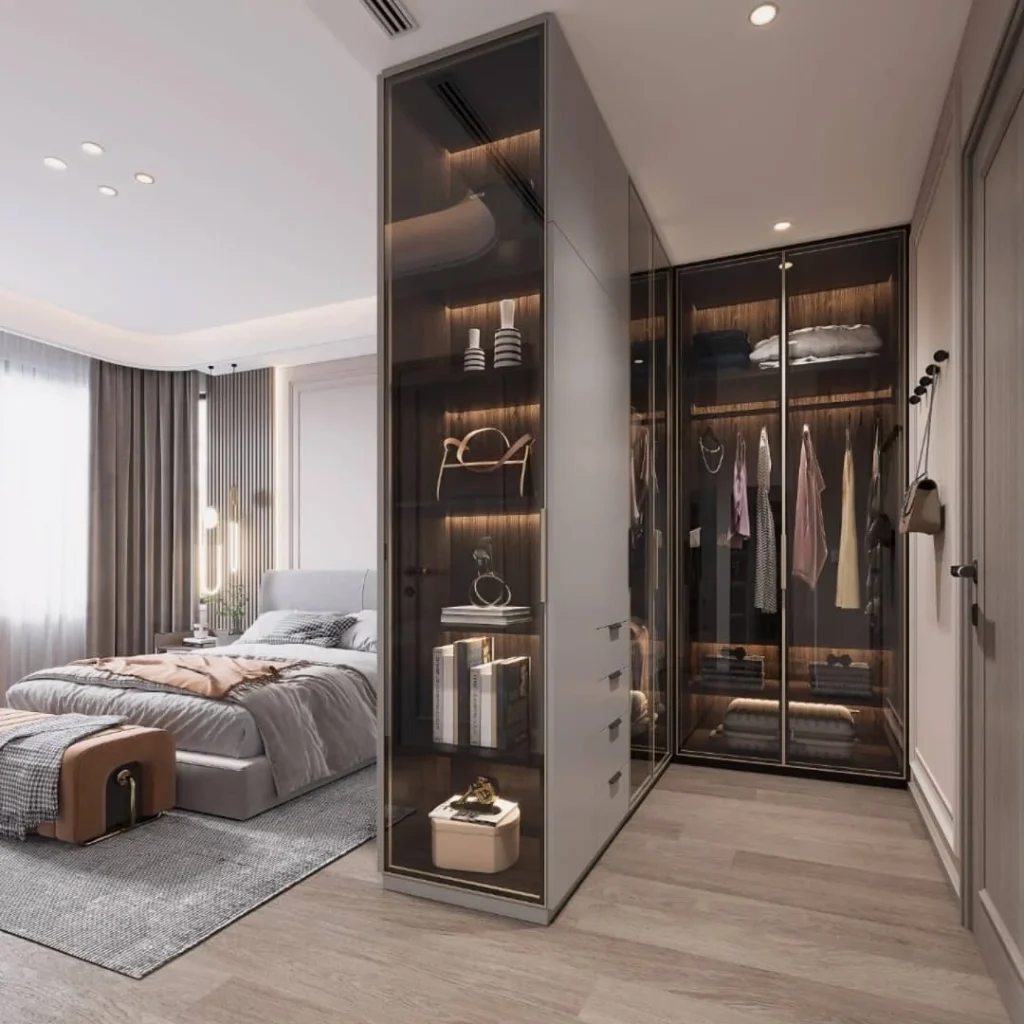
Use uniform slim velvet hangers throughout the wardrobe to immediately create more hanging capacity and a cleaner visual appearance. Divide the wardrobe into clear zones for different clothing categories. Use the top shelf for rarely needed items in labeled boxes. Add a second hanging rail below shorter items to double the hanging capacity in the lower section. Use door-mounted organizers for shoes, accessories, and smaller items. A well-organized wardrobe makes the bedroom calmer, the morning smoother, and the whole apartment feel more under control.
Idea 32: Bring Personality Without Creating Clutter
One of the greatest fears of small apartment dwellers is that personalizing their space will make it feel more cluttered. This fear causes many people to strip their apartments of personality in the name of tidiness, ending up with spaces that feel impersonal and unloved. The truth is that personality and cleanliness are not opposites. They simply require careful curation.
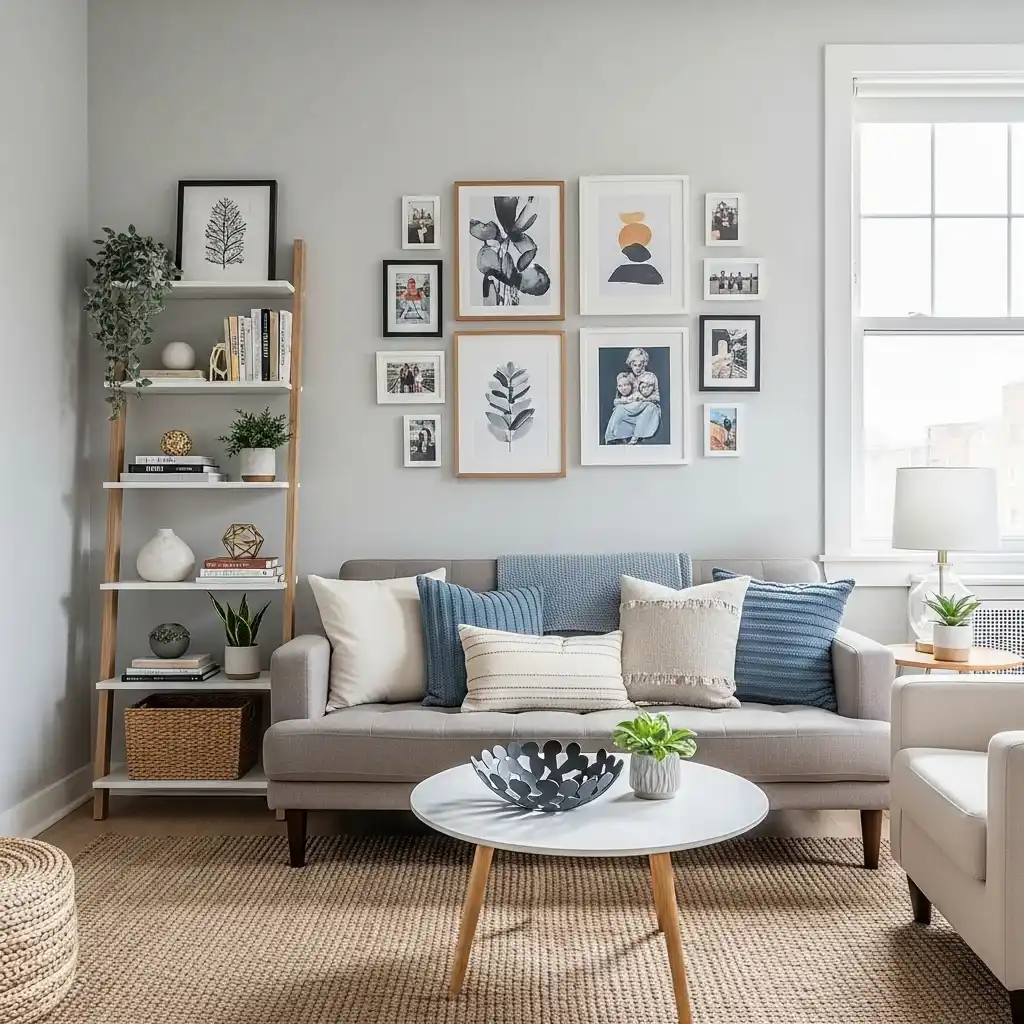
Choose a small number of truly meaningful objects to display and display them beautifully. Three perfect objects on a shelf tell a clearer personal story than thirty random ones. Choose art that genuinely moves you rather than art that matches the furniture. Use textiles in colors and textures you love rather than what looks right in magazines. Let the apartment reflect who you actually are rather than who you think you should be. A small apartment with genuine personality and clear surfaces is one of the most beautiful and welcoming spaces imaginable.
Idea 33: Think Long Term About Your Small Apartment
The most common mistake small apartment dwellers make is thinking about their space as a temporary situation to be endured rather than a home to be genuinely invested in. This mindset results in half-hearted decisions, cheap temporary furniture, and an apartment that never quite feels like home. Every apartment you live in deserves to be treated as a real home regardless of how long you plan to stay.
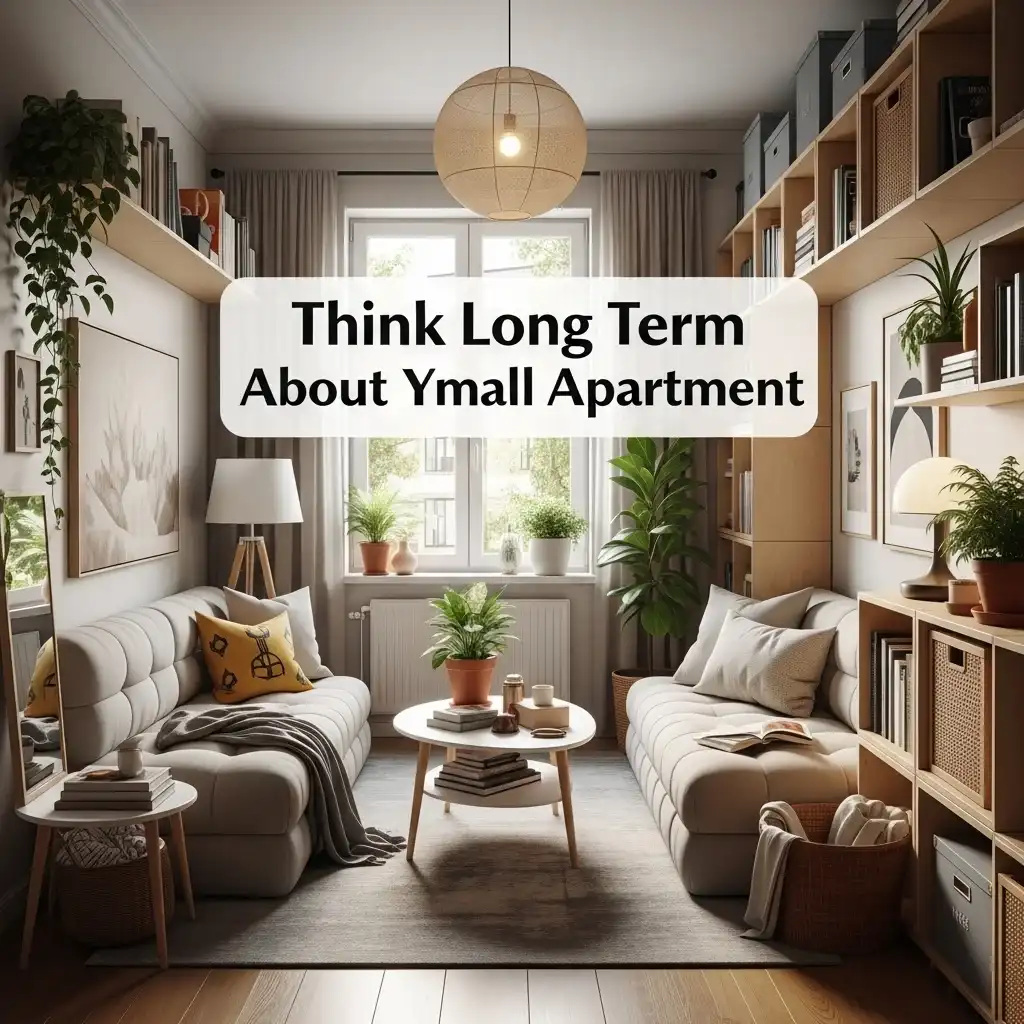
Invest in quality furniture that suits the space well and will serve you in your next home too. Take the time to paint the walls a color you love. Buy the art you actually want rather than cheap prints that do not speak to you. Organize the apartment to suit your actual daily life and routines rather than a generic idea of how an apartment should work. A small apartment treated as a real, worthy home is one that rewards you with genuine comfort, satisfaction, and pride every single day you live in it.
Frequently Asked Questions About Small Apartment Ideas
Q1: How do I make a small apartment feel bigger?
The most effective strategies for making a small apartment feel bigger are using light colors on all walls and ceilings, maximizing natural light and adding mirrors to reflect it, choosing furniture with exposed legs so the floor is visible beneath, mounting items on walls to keep floors clear.
Q4: What colors make a small apartment look bigger?
Light, warm colors create the strongest sense of space in a small apartment. Warm white and soft cream are the most versatile and effective. Pale gray, very light sage green, and soft blush also expand the sense of space beautifully.
Q5: How do I make a studio apartment feel like a proper home?
Making a studio apartment feel like a proper home requires clear zone definition, quality investment, and genuine personal expression. Define distinct sleeping, living, dining, and working zones using rugs, curtains, lighting, and furniture arrangement rather than walls. Invest in quality furniture that suits the space correctly.
Conclusion
A small apartment isn’t a compromise. It’s an opportunity. A chance to live with intention, pick quality over quantity, and organize beautifully. It’s a chance to build a home that fits your actual life, not one padded out with things that just fill space.
The 33 ideas in this guide give you a complete toolkit. You’ll learn how to transform any small apartment into a space that feels generous, beautiful, organized, and completely yours. Every idea is achievable. Every transformation is real. Every apartment deserves to be treated like the real home it is.
Start today with one idea:
- Paint the walls a lighter color.
- Hang a large mirror.
- Mount the TV on the wall.
- Invest in a storage bed.
Build from there, one smart decision at a time. Small apartment living at its best isn’t about making do with less. It’s about designing more carefully, living more intentionally, and discovering that the home you’ve always wanted was hiding inside the apartment you already live in.